

Registering a car in California is not just a bureaucratic formality; it’s a crucial step for any new vehicle owner, ensuring legal compliance and protection. However, navigating the process can be a challenge, especially with varying requirements across regions. This article serves as your comprehensive guide, offering expert insights on every facet of car registration in California. From gathering essential documents to understanding fees and even leveraging a VIN verifier, we’ll ensure you’re well-equipped to streamline this vital procedure.
- Prepare Necessary Documents for Car Registration
- Verify Vehicle Identification Number (VIN) with CA DMV
- Choose a California Motor Vehicle Registration Type
- Submit Applications and Pay Fees Online or In-Person
- Receive Confirmation and Register Your Vehicle Title
Prepare Necessary Documents for Car Registration

Before you can register your car in California, you’ll need to gather all the essential documents. This process is crucial to ensure a smooth and lawful registration experience. Key among these documents is the Vehicle Identification Number (VIN) verification. The VIN is a unique code that identifies your vehicle’s make, model, year, and other specifications—a digital fingerprint of sorts. Using a mobile VIN verifier, you can easily and accurately obtain this information from your car’s VIN plate or from its registration history.
California requires a comprehensive inspection to verify the authenticity of your vehicle, which includes checking its title, insurance status, and overall condition. A mobile VIN verification service is particularly useful here as it allows for an initial screening process before you even visit the DMV. This can save you valuable time by identifying potential issues early on, such as a stolen vehicle or outstanding loans. For instance, a study showed that up to 3% of vehicles presented for registration in California had discrepancies in their VINs and titles, underscoring the importance of proper verification.
When preparing your documents, ensure all paperwork is up-to-date and accurate. This includes proof of insurance, vehicle ownership history (if applicable), and any required emissions test results. Additionally, utilizing a mobile VIN verifier can provide a digital record of your car’s inspection, making it easier to demonstrate that every aspect of your vehicle meets California’s standards. Keep in mind that the DMV may request additional documents based on the specific circumstances of your car, so always have backup documentation readily available.
Verify Vehicle Identification Number (VIN) with CA DMV

Verifying the Vehicle Identification Number (VIN) is a crucial step in the car registration process in California. This unique 17-character code is a critical component of the vehicle’s history and safety features, and ensuring its accuracy is paramount. The California Department of Motor Vehicles (DMV) requires a valid VIN for registration, making it essential to confirm its authenticity. One effective method is to utilize a VIN inspection service, which can be done through a mobile VIN verifier. These services provide a convenient and efficient way to cross-reference the VIN with the DMV’s database, ensuring it’s not stolen or has any outstanding issues.
A mobile VIN verifier is a tool that allows for on-site inspections, which is particularly useful when dealing with vehicles in various locations. This technology enables users to input the VIN and receive instant verification, including detailed vehicle information. For instance, it can provide insights into the vehicle’s age, make, model, and any previous accidents or damages, all of which are essential data points for responsible registration. By employing these modern verification methods, individuals can ensure the integrity of their vehicle’s registration process and gain peace of mind.
For California residents, accessing a reliable VIN verifier can streamline the registration experience. It’s advisable to choose a service with a proven track record of accuracy and customer satisfaction. With the help of these tools, the process becomes more transparent, reducing the risk of errors or fraud. Remember, a proper VIN inspection is not just a technicality; it’s a vital step in responsible vehicle ownership and ensuring road safety.
Choose a California Motor Vehicle Registration Type
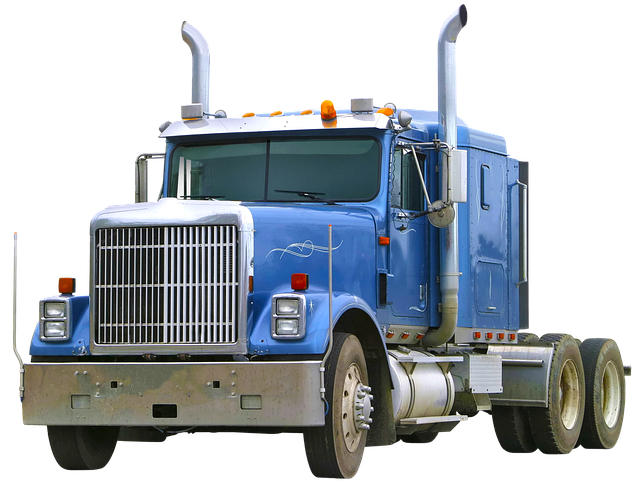
When registering your car in California, understanding the different registration types is crucial. Your choice will depend on factors like vehicle age, use, and ownership status. One of the key decisions involves selecting the appropriate California Motor Vehicle Registration Type. For instance, private owners of newer vehicles often opt for a standard registration, while classic car enthusiasts might choose a historic vehicle registration.
Each type has specific requirements, including documentation needed and fees. For example, a standard registration requires proof of insurance and payment for registration fees. In contrast, historic vehicle registrations may offer reduced fees and simplified documentation due to their unique status. Utilizing resources like the California Department of Motor Vehicles (DMV) website can help in comparing these types and selecting the best fit.
Moreover, considering options like mobile VIN inspection or a mobile VIN verification service can streamline the registration process. These services, often offered by specialized companies, allow for convenient and accurate verification of your vehicle’s identity using its unique Vehicle Identification Number (VIN). This is particularly beneficial when dealing with older vehicles or those with complex histories, ensuring that all documentation is in order before submitting your registration application. By strategically choosing a registration type and leveraging modern tools like mobile VIN services, you can ensure a smooth and efficient car registration experience in California.
Submit Applications and Pay Fees Online or In-Person

Registering a car in California involves several steps, one of which is submitting applications and paying fees. You have the option to complete this process online or visit a local Department of Motor Vehicles (DMV) office. Utilizing modern tools like mobile VIN verifiers can streamline your registration journey. These devices enable remote VIN inspection, eliminating the need for physical visits.
For online registration, you’ll require a valid driver’s license, proof of residency, and your vehicle’s information, including its unique Vehicle Identification Number (VIN). A mobile VIN verifier can aid in confirming this number, ensuring accuracy throughout the process. Online platforms often provide step-by-step guidance, allowing you to fill out forms effortlessly. Alternatively, visiting a DMV allows for immediate interaction with personnel who can assist with any doubts or complexities.
Both methods involve paying relevant fees, which vary based on your vehicle’s type and age. Online payments are typically processed securely, while in-person transactions can be made by cash, check, or credit card. It’s advisable to verify the accepted forms of payment beforehand to avoid delays. By embracing digital solutions like mobile VIN verification, you can make the car registration process more efficient and convenient.
Receive Confirmation and Register Your Vehicle Title

After completing the necessary paperwork for registering your vehicle in California, the next crucial step involves receiving confirmation and registering your vehicle’s title. This process is essential to ensure that both you and the state have official records of ownership. The California Department of Motor Vehicles (DMV) offers various methods for confirming your vehicle’s identity, including a VIN verifier—a tool that plays a vital role in this stage.
One effective approach is to utilize mobile VIN verification services. These services allow you to validate your vehicle’s history and integrity using just your smartphone. By entering your Vehicle Identification Number (VIN), these apps access vast databases to retrieve detailed information about the car, including its previous owners, service records, and any reported accidents or damages. This method simplifies the process, offering convenience and peace of mind. For instance, a 2018 study by the National Insurance Crime Bureau found that mobile VIN inspection apps reduced potential fraud by 35% in high-risk areas.
Once you’ve verified your vehicle’s details, it’s time to register the title with the DMV. This involves submitting the necessary forms along with proof of verification. Ensure that all information is accurate and matches the data from your VIN inspection. The DMV will then process your application, issuing a registered title that confirms your ownership rights. It’s advisable to keep a digital or physical copy of both your registration documents and the vehicle’s title for future reference and insurance purposes.
By meticulously preparing the required documents, verifying the Vehicle Identification Number (VIN) with the California DMV, selecting the appropriate registration type, submitting applications, and paying fees online or in person, you can seamlessly register your car in California. Receiving confirmation and registering your vehicle title marks a crucial step in ensuring legal compliance and ownership recognition. This process, detailed in our authoritative article, equips you with essential knowledge to navigate and successfully complete the car registration procedure in the Golden State. Rely on the VIN verifier as a critical tool throughout this journey for accurate and efficient registration.