

Registering a car in California is a vital process that ensures vehicle ownership rights, facilitates legal driving, and plays a crucial role in road safety. However, navigating the requirements can be a complex task, often shrouded in confusion and frustration. This article serves as your authoritative guide, offering step-by-step insights into the registration process, including the all-important DMV VIN verification. By following these instructions, you’ll gain the knowledge to confidently and successfully register your vehicle, ensuring compliance with California’s regulations.
- Prepare Necessary Documents for Car Registration
- Visit Your Local California DMV Office or Use Online Services
- Provide Vehicle Identification Number (VIN) Verification
- Pay Registration Fees and Select Required Coverage
- Receive Your Vehicle's Registration Certificate and License Plate
Prepare Necessary Documents for Car Registration

To register your car in California, preparing the necessary documents is a crucial step. The California Department of Motor Vehicles (DMV) requires a comprehensive set of papers to ensure compliance with state regulations. One critical document is the Vehicle Identification Number (VIN) verification. This process, often conducted via a DMV VIN verification, confirms the vehicle’s authenticity and history, which is essential for a successful registration.
For instance, when undergoing a mobile VIN inspection or verification, you’ll need to provide proof of ownership, such as a title document. Additionally, insurance paperwork showing current coverage is mandatory. Other necessary documents include a valid driver’s license or state-issued ID card and payment for the registration fee. It’s essential to ensure these documents are up-to-date and accurate to avoid delays in the registration process.
Moreover, if you’re purchasing a used car, obtaining a vehicle history report from reputable sources can streamline the DMV vin verification process. These reports provide detailed information about the vehicle’s past, including ownership history, accident records, and maintenance logs. Having these documents ready demonstrates your diligence and helps ensure a smoother registration experience. Always remember to keep original copies of all documents for future reference and potential inspections, such as mobile VIN verifications, which can occur at any time.
Visit Your Local California DMV Office or Use Online Services
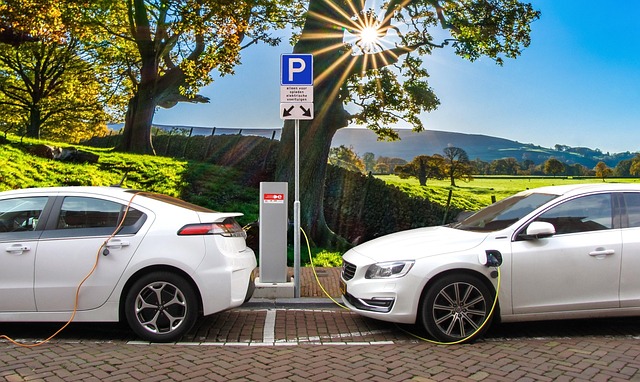
Registering a car in California involves several steps, and one of the crucial initial actions is visiting your local DMV office or utilizing online services. The California Department of Motor Vehicles (DMV) offers both in-person and digital options for car registration, ensuring convenience and accessibility for residents. When you choose to visit a physical location, prepare for a straightforward process that may still require some time due to the high volume of transactions. Staff members are available to guide you through each step, including the essential DMV VIN verification. This involves cross-referencing the Vehicle Identification Number (VIN) with the vehicle’s make, model, and year to ensure accuracy in the registration records.
For those who prefer or require a more flexible approach, the DMV provides online services that streamline the car registration process. You can initiate the registration, provide necessary details, and even schedule appointments for mobile VIN verification if needed. Mobile vin inspection offers a convenient solution for busy individuals or those who reside in areas with limited access to a local DMV office. This service allows a qualified inspector to visit your location to perform the required VIN inspection, ensuring that all documentation is in order and the vehicle details match the registration records accurately. Online platforms also facilitate uploading important documents, such as proof of insurance and vehicle ownership, simplifying the entire procedure.
Remember, accurate VIN verification is vital for a seamless car registration process. Whether you opt for an in-person visit or leverage mobile vin inspection services, ensuring your vehicle’s information aligns with the DMV’s records will prevent delays or issues during registration. Utilizing the resources provided by the California DMV can make this administrative task more manageable and efficient.
Provide Vehicle Identification Number (VIN) Verification

Registering a car in California involves several crucial steps, and one of the critical aspects is ensuring your vehicle’s Vehicle Identification Number (VIN) is accurately verified by the Department of Motor Vehicles (DMV). This process is an integral part of establishing ownership and ensures that all legal requirements are met before a vehicle can be legally operated on California roads. The DMV offers several methods for VIN verification, with mobile vin verification gaining popularity due to its convenience and efficiency.
For instance, traditional vin inspection often requires owners to visit a local DMV office, physically present their vehicle, and provide relevant documentation. In contrast, mobile vin verifiers bring this process directly to the vehicle owner, saving time and effort. These specialized services utilize advanced technology to cross-reference the provided VIN with official databases, delivering instant results. This modern approach aligns with California’s commitment to streamlining vehicle registration processes while maintaining rigorous safety standards.
When conducting a dmv vin verification, it is essential to have accurate and up-to-date information at hand. Owners should be prepared with documents such as proof of ownership, insurance details, and any necessary emissions test results. Moreover, having the VIN itself readily available ensures a smoother process. Many mobile vin verifiers offer on-site services, enabling efficient registration even for those new to the state or dealing with vehicle transfers. This flexibility is particularly beneficial in California’s diverse landscape, where remote areas might hinder access to traditional DMV services.
Pay Registration Fees and Select Required Coverage

Paying registration fees is a crucial step in registering your car with the California Department of Motor Vehicles (DMV). These fees cover various services, including vehicle inspection, road fund contributions, and administrative costs. The amount you pay will depend on your vehicle’s type, age, and fuel efficiency. It’s essential to understand these fees in advance to ensure a smooth registration process. One convenient service available is the DMV’s online fee calculator, which provides an accurate estimate based on your specific circumstances.
Once your fees are ready, it’s time to consider required coverage for your vehicle. California mandates that all cars have certain insurance levels to protect drivers and other road users in case of accidents. The minimum liability insurance requirements typically include a $15,000 bodily injury liability limit per person, a $30,000 limit per accident, and $5,000 property damage liability. You may also want to consider additional coverage like collision or comprehensive, which protect against specific risks like accidents or theft. A mobile vin verification service can aid in this process; by using your Vehicle Identification Number (VIN), you can easily check potential insurance rates and ensure compliance with California’s standards.
To streamline the registration process, many Californians opt for mobile vin inspection services, allowing them to complete necessary paperwork from the comfort of their homes or offices. These services utilize advanced technology for accurate DMV VIN verification, reducing the time typically spent at a physical location. With just a few simple steps and documentation checks, you can have your vehicle registered efficiently, ensuring your car complies with all legal requirements and enjoys smooth operation on California’s roads.
Receive Your Vehicle's Registration Certificate and License Plate

After successfully completing your California vehicle registration process at the DMV, including providing necessary documents and passing emissions testing (if applicable), it’s time to receive your Vehicle’s Registration Certificate and License Plate. This crucial step formalizes your car’s legal status in the state and allows you to operate it on public roads. Upon completion of the registration, the DMV will issue a Registration Certificate, which is a document that verifies your vehicle’s ownership and compliance with California’s regulations.
Along with your certificate, you’ll be provided with a set of license plates. These plates are uniquely assigned to your vehicle and bear a specific California registration number. It’s imperative to display these plates on the rear and front of your car at all times when operating on public roads. A common misconception is that only static DMV locations can provide these documents; however, in today’s digital age, many Californians opt for convenient mobile vin verification and inspection services. These mobile solutions allow you to complete a VIN inspection right from your location, saving time and effort.
To ensure a smooth process, familiarize yourself with the requirements before heading to the DMV or utilizing any mobile vin verification service. Ensure that all documentation is accurate and up-to-date, as any discrepancies may delay the issuance of your registration certificate. Remember, proper registration, including receiving your license plates, not only ensures legal compliance but also demonstrates responsible vehicle ownership.
By meticulously preparing the required documents, visiting a local California DMV office or utilizing online services, providing accurate VIN verification through dmv vin verification, paying relevant fees, and selecting necessary coverage, you can seamlessly complete your car registration process. Upon successful completion, you’ll receive your vehicle’s registration certificate and license plate, officially registering your car in California. This comprehensive guide empowers you with the knowledge to navigate this crucial procedure efficiently and with confidence.