

Registering a car in California is a crucial step for any new vehicle owner, ensuring legal compliance and personal protection. However, navigating the process can be challenging, with many variables to consider, especially when it comes to meeting specific requirements like DMV VIN verification. As an authoritative guide, we’ll demystify this process, offering a clear roadmap to ensure you register your car smoothly and accurately. Our expertise ensures you receive genuine, up-to-date information tailored to California’s unique regulations.
- Gather Necessary Documents for DMV Registration
- Prepare Your Vehicle for Inspection and Title Transfer
- Complete Online Application: Step-by-Step Guide
- Schedule and Pass DMV Vehicle Inspection (DMV VIN Verification)
- Finalize Registration, Insurance, and License Plate Acquisition
Gather Necessary Documents for DMV Registration

Registering a car in California involves several steps, and one of the critical initial stages is gathering all the necessary documents for DMV registration. This process can be streamlined by ensuring you have your vehicle’s essential paperwork in order before visiting the Department of Motor Vehicles (DMV). Key among these documents is the Vehicle Identification Number (VIN) verification, which plays a pivotal role in establishing ownership and vehicle history.
For many, the traditional method of acquiring this verification involves visiting a DMV office to conduct a physical inspection. However, with technological advancements, mobile VIN verification has emerged as a convenient alternative. This innovative process allows you to complete the VIN check using your smartphone or tablet, offering significant time and cost savings. Mobile VIN verifiers often provide instant results, ensuring a swift and efficient registration process.
When preparing for DMV registration, consider utilizing these modern tools to simplify what can otherwise be a bureaucratic task. For instance, mobile VIN inspection apps are programmed to communicate with the DMV’s database, enabling them to cross-reference your vehicle’s unique VIN against recorded data. This digital approach not only enhances accuracy but also reduces potential errors and delays associated with traditional paper-based methods. As California continues to embrace digital transformation, leveraging these mobile solutions can be a strategic move for both residents and non-residents looking to register their vehicles efficiently.
Prepare Your Vehicle for Inspection and Title Transfer

Before you can register your vehicle in California, it’s crucial to ensure your car is ready for inspection and to possess the necessary documentation, including a clear title. The state’s Department of Motor Vehicles (DMV) requires a thorough examination to verify that your vehicle meets safety and environmental standards. This process involves both a visual inspection and a Vehicle Identification Number (VIN) verification, known as DMV VIN verification. One convenient way to streamline this step is by utilizing mobile VIN inspection services, which allow for on-site, accurate VIN verification.
During the preparation phase, ensure your vehicle’s documentation is in order, including the title, registration, and insurance papers. Check that all lights, signals, and mirrors are functional, as these will be checked during the DMV inspection. Address any outstanding safety issues or emissions failures before visiting the DMV to avoid delays. It’s also recommended to check with your local DMV office for specific guidelines or requirements they may have regarding vehicle preparation.
Mobile VIN verifiers can play a significant role in this process by providing quick and reliable results. These services send a professional to your location, enabling a fast and accurate DMV VIN verification. This is especially beneficial for those with busy schedules or who face challenges transporting their vehicle to a DMV branch. By ensuring your car passes the inspection and utilizing efficient methods like mobile VIN verification, you’ll be one step closer to completing the registration process smoothly and without unnecessary complications.
Complete Online Application: Step-by-Step Guide

Registering a car in California involves several steps, one of which is completing the online application process, ensuring a smooth transition to vehicle ownership. This step-by-step guide will walk you through the process, highlighting key considerations and best practices.
Begin by accessing the official California Department of Motor Vehicles (DMV) website, where you’ll find dedicated sections for registering vehicles. The online application requires accurate and up-to-date information. Start by filling out your personal details, including your full name, date of birth, and current address. Next, provide the Vehicle Identification Number (VIN) from your car. This unique code is typically located on the vehicle’s chassis or in its engine compartment. For added convenience, consider using a mobile VIN verifier to retrieve this information quickly and accurately—a handy tool that can save you time during the registration process.
Once entered, the VIN undergoes a verification process known as DMV VIN verification. This step ensures the authenticity of your car’s details, preventing fraud and ensuring compliance with California’s vehicle regulations. The system checks against state records to validate the VIN and associated data, such as make, model, year, and previous owners (if any). If successful, you’ll be prompted to upload necessary documents, such as proof of insurance, a valid driver’s license, and perhaps, if applicable, a certificate of title from a previous sale.
After submitting your application, the DMV will review the information and perform further checks, including a visual inspection of the vehicle (if required). This step may involve a mobile vin inspection conducted by a certified agent to confirm the vehicle’s condition and details, ensuring they match the provided documentation. Once approved, you’ll receive confirmation, and your car will be officially registered with the California DMV.
Schedule and Pass DMV Vehicle Inspection (DMV VIN Verification)
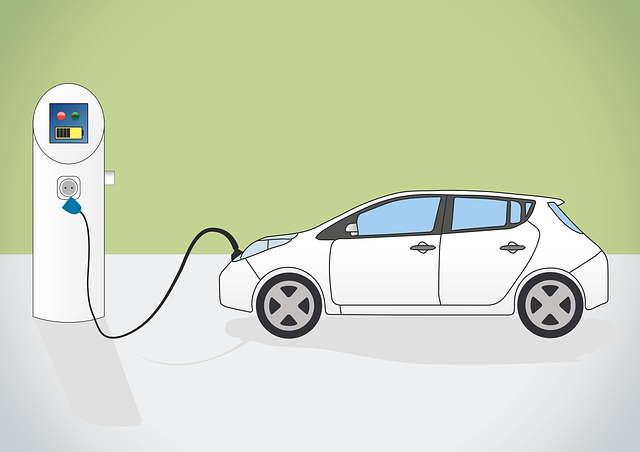
Scheduling and passing DMV vehicle inspection, known as dmv vin verification, is a crucial step in registering your car in California. This process involves verifying the Vehicle Identification Number (VIN) of your vehicle to ensure it meets all safety and emissions standards. The good news is that many California residents opt for convenient mobile vin verification services, which allow you to complete this requirement from the comfort of your home or office. These mobile vin verifiers utilize advanced technology to cross-reference your VIN with state databases, providing instant results.
To schedule an appointment for dmv vin verification, start by visiting the California Department of Motor Vehicles (DMV) website. There, you’ll find information on how to make an appointment online or by phone. Some third-party services also offer mobile vin inspection options, where a trained professional comes to your location to perform the check. This is particularly beneficial for those with busy schedules or individuals who prefer not to navigate DMV facilities. During the inspection, the technician will visually inspect and test various components of your vehicle, ensuring they meet California’s safety standards.
Pass the dmv vin verification by ensuring your vehicle is in good working condition and meets all legal requirements. Keep in mind that certain types of vehicles, like classic cars or those with custom modifications, might require additional paperwork or inspections. After passing the verification, you’ll receive a report confirming your vehicle’s compliance. This document is essential when submitting your registration application at the DMV. By utilizing mobile vin verifier services, you can streamline this process, saving time and effort while ensuring a smooth car registration experience in California.
Finalize Registration, Insurance, and License Plate Acquisition

After completing the initial registration process at the California Department of Motor Vehicles (DMV), the final steps involve finalizing registration, ensuring proper insurance coverage, and acquiring your vehicle’s license plates. These crucial stages are integral to legally operating your car in the state. One key component that often goes unnoticed is a thorough DMV VIN verification, which ensures the vehicle’s identification number (VIN) matches the details on record. This process can be streamlined by utilizing mobile vin verifier tools, offering a convenient and efficient way to complete this requirement.
Insurance is another critical aspect of car ownership in California. It’s essential to obtain a policy that meets the state’s minimum liability requirements while also aligning with your personal needs. Shop around for quotes from various providers, comparing coverage options and deductibles to find the best fit. Remember, you can enhance your protection by considering additional policies like comprehensive or collision coverage, especially if your vehicle is new or valuable.
Once insurance is in place, it’s time to obtain your license plates. The DMV will issue unique plates that include your VIN, ensuring proper vin inspection and compliance with state regulations. Consider a mobile vin verification service for added convenience; these tools allow you to complete the necessary checks remotely, saving time and effort. After passing this step, your car will be officially registered, insured, and ready to hit the California highways. Ensure all documentation is in order to avoid future issues and enjoy a smooth driving experience.
By systematically navigating through document gathering, vehicle preparation, online applications, passing DMV VIN verification, and finalization of registration, insurance, and license plates, you can successfully register your car in California. This process ensures not only legal compliance but also guarantees a secure and smooth ownership experience. The article’s comprehensive guide empowers readers with the knowledge to confidently undertake this essential task, reinforcing California’s vehicle registration procedures as a model for clear, efficient, and authoritative administrative processes.