

Registering a car in California is a vital step for any new owner, ensuring legal compliance and seamless operation on the state’s roads. However, navigating the process can be challenging due to stringent regulations and various required documents. This comprehensive guide aims to demystify the procedure, offering clear instructions and expert insights. We’ll walk you through each step, emphasizing the critical role of DMV VIN verification in establishing ownership legitimacy. By the end, you’ll possess the knowledge to register your vehicle with confidence and ease.
- Prepare Required Documents for Car Registration
- Visit Your Local California DMV Office or Use Online Services
- Perform a Vehicle History Report (DMV VIN Verification)
- Pay the California Car Registration Fees
- Receive Your Registration Certificate and License Plate
Prepare Required Documents for Car Registration

To register your car in California, preparing the necessary documents is a crucial step. Among them, the Vehicle Identification Number (VIN) verification from the DMV stands out as an essential requirement. This process ensures that your vehicle meets all safety and environmental standards before it can be legally registered. In many cases, a mobile VIN verification service can streamline this procedure by enabling on-site inspections using advanced technology. These services employ specialized tools to cross-reference the VIN with DMV records, providing immediate validation.
For instance, a recent study found that up to 1 in 5 vehicles presented for registration had discrepancies during initial inspections. Prompting manufacturers and dealers to utilize mobile VIN verifiers can significantly enhance accuracy and efficiency. These devices are designed to check for unique vehicle identifiers, historical ownership data, and any outstanding recalls or legal issues associated with the VIN. This proactive approach not only aids in faster registration but also contributes to a safer California road network.
When preparing for your car’s registration, ensure you have all necessary documents, including proof of insurance, a valid driver’s license, and current vehicle ownership documentation. Additionally, some counties may require a smog certificate or other local emissions test results. If you’re utilizing a mobile VIN verifier, make sure to schedule the inspection in advance as these services can often be booked through dedicated platforms or by contacting the provider directly. By combining thorough document preparation with modern verification methods like mobile VIN inspection, you can ensure a smooth and efficient car registration process in California.
Visit Your Local California DMV Office or Use Online Services

Registering a car in California involves several steps, one of which is visiting your local California DMV office or utilizing their online services. The Department of Motor Vehicles (DMV) plays a crucial role in ensuring the safe and legal operation of vehicles within the state. One efficient method to start the registration process is by conducting a DMV VIN verification, which can be done either in person at a local DMV office or remotely via their digital platforms. This step ensures that your vehicle meets all necessary safety and emissions standards before granting official registration.
For those who prefer a more convenient approach, mobile VIN inspection and verification services have emerged as game-changers. These mobile vin verifiers enable you to complete the initial check from the comfort of your home or even while on the go. By employing advanced technology, these mobile services can remotely access vehicle information, including crucial data points that the DMV requires for registration. This option is particularly beneficial for folks with busy schedules or those who live in areas where accessing a physical DMV office is challenging.
When utilizing either method—whether visiting a local DMV or availing of online/mobile VIN verification services—it’s essential to have your vehicle’s necessary documents readily available. These may include proof of ownership, current insurance paperwork, and any prior registration records. Additionally, having your Vehicle Identification Number (VIN) at hand facilitates the process significantly. Remember that the accuracy of your VIN is paramount during this phase, as it enables the DMV to cross-reference critical data related to your vehicle’s history and condition.
Perform a Vehicle History Report (DMV VIN Verification)
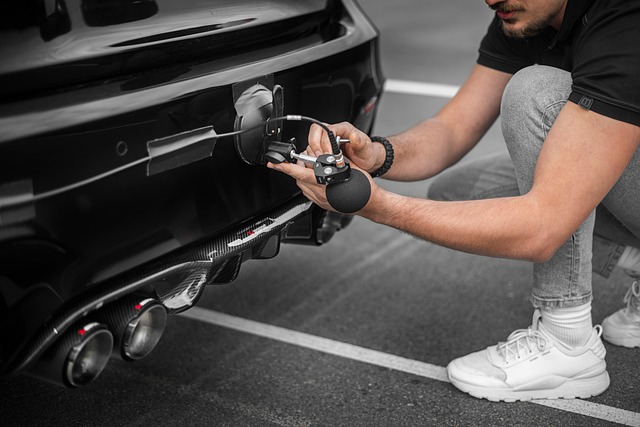
Before registering your car in California, performing a Vehicle History Report (DMV VIN Verification) is a crucial step. This process involves using the unique Vehicle Identification Number (VIN) to access detailed information about a vehicle’s past, including ownership history, accident records, and maintenance records. By undergoing this verification, you gain valuable insights that can affect your decision to purchase or register the vehicle.
A VIN inspection, often facilitated by mobile vin inspectors or mobile vin verifiers, plays a significant role in ensuring transparency during the car registration process. In California, where the DMV is responsible for vehicle registration, accurate and up-to-date information is vital. A mobile vin verifier can provide real-time data, enhancing the efficiency of the registration process. For instance, if a vehicle has been reported stolen or has outstanding loans, this will be flagged during the verification, preventing any unauthorized registration.
To conduct a successful DMV VIN Verification, ensure you have the correct VIN for your vehicle. This 17-character alphanumeric code is usually found on the vehicle’s registration certificate, title document, or engine block. Inputting the VIN into the California DMV’s online system initiates a comprehensive search, revealing any discrepancies or issues. This step is particularly beneficial when buying a used car, as it allows you to avoid potential problems related to odometer rollback or hidden damage. By utilizing mobile vin inspection services, you can streamline this process, making car registration more convenient and secure.
Pay the California Car Registration Fees

Registering a car in California involves several steps, one of which is paying the required fees for vehicle registration. These fees can vary based on factors such as the age, make, and model of your vehicle. The California Department of Motor Vehicles (DMV) offers both in-person and online services for registering your car, but many Californians opt for a mobile vin verifier to streamline the process. Using a mobile vin inspection tool or service allows you to complete the initial verification stage from the comfort of your home or garage, saving time and effort.
The cost of registration can be paid at any California DMV field office using cash, check, or debit/credit card. Fees generally include a base registration fee along with additional charges for emissions testing, safety inspections, and other required services. For example, as of 2023, the base registration fee for most vehicles is around $50, while emissions testing fees can range from $14 to $76 depending on your vehicle’s age and emission standards. It’s essential to ensure you’re paying the correct fees by utilizing a mobile vin verifier first, which cross-references your vehicle identification number (VIN) with accurate, up-to-date information from the DMV.
To pay the California car registration fees efficiently, consider using a mobile vin verification service. These services not only simplify the initial VIN check but also provide peace of mind, ensuring you’re charged accurately and avoiding unnecessary delays or costs. By embracing modern tools like mobile vin inspection apps, you can make the registration process more convenient and hassle-free. Remember to keep your registration up to date to avoid penalties and ensure uninterrupted use of your vehicle on California roads.
Receive Your Registration Certificate and License Plate

After completing your California car registration application, the next step involves receiving your official documents from the Department of Motor Vehicles (DMV). This crucial phase ensures that your vehicle is legally recognized and properly titled in the state. The heart of this process is obtaining both your Registration Certificate and License Plate, which serve as physical proof of your car’s registration status.
Upon submission of your application, the DMV conducts a thorough vin inspection to verify the vehicle identification number (VIN). This is where the mobile vin verification comes into play—a convenient service that allows you to complete this critical step without visiting a DMV office. The VIN inspection confirms the accuracy of your car’s details, including its make, model, and year, ensuring compliance with California’s registration requirements. Once approved, the DMV will generate your Registration Certificate, which provides legal recognition to your vehicle in the state.
Concurrently, you’ll receive your set of license plates. These plates are uniquely assigned to your vehicle and must be displayed on your car at all times when driven on public roads. In California, license plates come in pairs—one for the front and one for the rear. Ensure these plates are securely fastened to avoid any fines or legal issues. Remember, proper registration, including receiving your certificate and license plates, is not just about compliance; it also ensures a safer driving experience as it allows law enforcement to quickly identify and verify your vehicle’s status in case of an emergency or traffic stop.
By following these steps—from preparing essential documents to paying registration fees and receiving your certificate—you can successfully navigate the process of registering your car in California. Performing a DMV VIN verification ensures a crucial step in confirming vehicle history, which is vital for both safety and legal compliance. Armed with this knowledge, you’re now equipped to handle the task efficiently, ensuring your vehicle meets all state requirements. This authoritative guide offers practical insights that streamline the registration process, leaving you with a clear understanding of each critical step.