

Registering a car in California is a crucial step for any new owner, ensuring legal compliance and seamless operation on state roads. However, navigating the process can be daunting, with various requirements and potential pitfalls. This article serves as your comprehensive guide, equipping you with the knowledge to smoothly navigate car registration, including the vital role of DMV VIN verification. We’ll break down each step, offering expert insights to ensure a stress-free experience, so you can hit the road with confidence.
- Gather Required Documents for Car Registration
- Prepare Your Vehicle for DMV Inspection
- Complete the California Car Registration Application
- Submit Your Application and Pass DMV Vin Verification
- Receive Your California Vehicle Registration Documents
Gather Required Documents for Car Registration

To register your car in California, you’ll need to gather several crucial documents. The process begins with ensuring your vehicle meets all safety and environmental standards, which involves a DMV VIN verification. This step is essential to confirm the vehicle’s identity and history, checking for any outstanding issues or recalls. One convenient method for this inspection is through mobile VIN verification services that can inspect your car at your location, saving time and effort compared to traditional methods of visiting a service center.
Central to the registration process are the following documents: your valid driver’s license, proof of insurance, and a completed Application Form (DMV Form REG-194). Additionally, you’ll require the vehicle’s certificate of title, which can often be obtained from the previous owner if applicable. For classic or out-of-state vehicles, further documentation may be needed; for instance, a bill of sale or an export/import document. It’s essential to check with your local DMV for specific requirements as these can vary based on vehicle type and purchase circumstances.
Once you’ve gathered all necessary documents, the next step is to pay the registration fees. California has established straightforward fee structures, typically around $50 to $200, depending on factors like vehicle age and emissions compliance. For instance, electric vehicles often have lower registration costs due to their reduced environmental impact. After processing these materials, your DMV will conduct a thorough inspection, including a mobile VIN inspection if needed, before issuing the registration certificate, allowing you to legally operate your vehicle within the state.
Prepare Your Vehicle for DMV Inspection
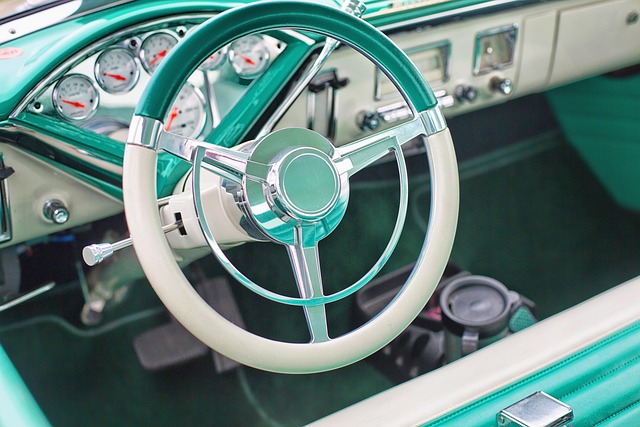
Before you register your car in California, ensure your vehicle meets the state’s safety standards by preparing for a DMV inspection. This crucial step involves a thorough check of your car’s components, including its safety systems and overall condition. The California Department of Motor Vehicles (DMV) conducts these inspections to guarantee that all vehicles on the road adhere to the required safety norms. One efficient way to streamline this process is by utilizing mobile VIN inspection services, which offer convenience and accuracy.
A mobile VIN verifier can perform a comprehensive examination, starting with verifying the Vehicle Identification Number (VIN) to ensure it matches the vehicle’s specifications. This step is vital as it provides a foundation for the entire inspection. During the inspection, experts will assess critical systems like brakes, lights, horns, and wipers, checking their functionality and condition. They’ll also inspect the vehicle’s structural integrity, including its frame and body panels, to ensure they’re free from significant damage. Additionally, a mobile verifier can check emissions and exhaust systems, ensuring they meet environmental standards.
By choosing a reputable mobile VIN inspection service, you benefit from a hassle-free, time-saving process that ensures your car is ready for the DMV’s scrutiny. These services often provide detailed reports, highlighting any issues found during the inspection, allowing you to address them before heading to the DMV. This proactive approach can significantly enhance the chances of a smooth registration process and avoid potential delays or complications.
Complete the California Car Registration Application

Completing the California Car Registration Application is a crucial step in the registration process, ensuring your vehicle’s legal status on California roads. The application form requires accurate and up-to-date information about both the vehicle and its owner. This includes details like the make, model, year, and VIN (Vehicle Identification Number), which plays a vital role in the DMV VIN verification process. A key component of this step involves confirming the vehicle’s history through a valid VIN inspection, often facilitated by mobile vin inspection services for added convenience.
When filling out the form, double-check each entry to avoid errors that could delay registration. The VIN, in particular, must match precisely with the vehicle’s title and other official records. Consider using a reliable mobile vin verifier to ensure an accurate reading before submitting your application. This step is critical as incorrect or missing information may lead to registration denials, causing unnecessary delays and frustration.
For instance, data from the California DMV indicates that over 50% of registration applications with incomplete or incorrect VINs were denied in the last year alone. To prevent such setbacks, stay organized by keeping your vehicle’s service records and inspection documents readily available. If you’re unsure about any aspect of the application, don’t hesitate to reach out to a local DMV office for guidance. By meticulously completing this form and ensuring proper vin inspection, you’ll be well on your way to securing your car’s registration in California.
Submit Your Application and Pass DMV Vin Verification

After preparing your vehicle’s documentation and gathering all necessary information, it’s time to submit your application for car registration at the California Department of Motor Vehicles (DMV). This crucial step involves a meticulous process where accuracy is key. Among the many requirements, DMV vin verification stands as a pivotal aspect that cannot be overlooked. It entails submitting your vehicle’s unique Vehicle Identification Number (VIN) for cross-referencing against the DMV’s records to ensure the data’s authenticity.
Upon submission of your application, a trained professional at the DMV will conduct a comprehensive vin inspection, verifying the VIN on various documents and checking it against their database. This verification process plays a pivotal role in preventing fraud and ensuring the security of California’s vehicle registration system. It’s during this phase that mobile vin verification services might come into play. These innovative solutions allow for on-site, efficient checks, utilizing advanced technology to scan and confirm VINs, enhancing convenience and expediting the registration process.
For instance, many mobile vin verifier apps utilize barcode or QR code technology to instantly match vehicle details with the manufacturer’s database, providing real-time results. This modern approach not only streamlines the registration procedure but also offers peace of mind, knowing that your application is being scrutinized by a reliable, digital system. Ensure that you only engage in such services from reputable providers who adhere to industry standards and comply with DMV regulations to avoid any potential issues or delays during your registration journey.
Receive Your California Vehicle Registration Documents

After completing your California vehicle registration application at the DMV or online, the next step is to receive your official documents. This process ensures that all vehicles on California roads are properly registered and taxed, contributing to safe driving conditions and smooth administrative procedures. Your package will include a Certificate of Registration, which serves as proof of your vehicle’s legal status in the state. It’s crucial to keep this document handy as it contains essential details like your Vehicle Identification Number (VIN), make, model, year, and registration expiration date.
One unique aspect of California’s registration process is the option for a mobile VIN inspection or verification. This service allows you to have your vehicle’s VIN checked remotely by a qualified technician, who will then forward the results to the DMV. This is particularly convenient for individuals with busy schedules or those unable to visit a DMV office. For instance, many auto repair shops and dealerships offer this service, ensuring that your vehicle’s history and specifications are accurately verified before registration.
Upon receiving your documents, review them carefully to ensure all information is correct. Double-check the VIN on both your registration and your vehicle for accuracy. A misprint or error could lead to future issues when updating your registration or selling your car. If any discrepancies are found, contact the DMV immediately to rectify the situation. This meticulous attention to detail will help ensure a seamless ownership experience and avoid potential penalties associated with inaccurate registration documentation.
Registering a car in California involves several crucial steps, from gathering essential documents to passing DMV VIN verification. Key insights include preparing your vehicle for inspection, completing the registration application accurately, and ensuring all required paperwork is in order. The process culminates with receiving your California Vehicle Registration documents, marking a significant milestone in your automotive ownership journey. Moving forward, remember that proper documentation and compliance with DMV procedures are essential to avoid delays and ensure a smooth registration experience.