
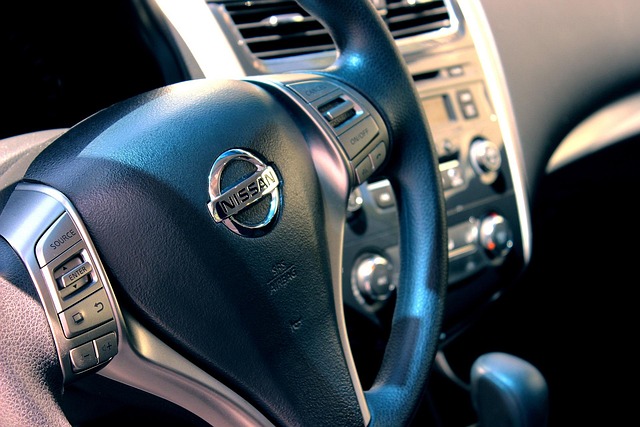
Registering a car in California involves navigating complex procedures to ensure legal compliance and vehicle safety. As an essential step for new owners, it can be a cumbersome process, especially with varying regulations across counties. The key to a smooth registration lies in accurate documentation and proper verification, including Vehicle Identification Number (VIN) checks. This article serves as your comprehensive guide, empowering you with the knowledge to successfully register your vehicle in California, ensuring both legal integrity and peace of mind through meticulous VIN verification.
- Understanding California Car Registration Requirements
- Gathering Necessary Documents for Registration
- Locating Your Vehicle's VIN for Verification
- Selecting an Approved Registration Location or Online
- Completing the Registration Process and Vehicle Inspection
Understanding California Car Registration Requirements

Registering a car in California involves adhering to specific requirements, ensuring your vehicle is legally operational on state roads. Understanding these constraints begins with acknowledging that every vehicle must be registered through the California Department of Motor Vehicles (DMV), accompanied by a valid driver’s license and proof of insurance. One crucial aspect often overlooked is the verification of the Vehicle Identification Number (VIN). This unique code, typically found on the vehicle’s chassis, serves as a digital fingerprint, enabling efficient tracking and authentication.
California mandates VIN verification during registration, which can be conveniently conducted through mobile vin verification services. These innovative tools allow owners to input their VIN into an app, often facilitated by specialized mobile vin verifiers, to retrieve crucial information. For instance, a simple online check could reveal the vehicle’s history, including previous owners and any reported accidents or outstanding recalls, thereby influencing its current value and roadworthiness. Given that California experiences a high volume of vehicles on the road, this digital inspection process not only streamlines registration but also enhances safety by deterring fraud and ensuring compliance.
Additionally, it’s advisable to plan for potential documentation requirements, such as proof of ownership, odometer reading, and any applicable fees. Regular VIN inspections, recommended at least once during a car’s life, are particularly vital in the California context due to its diverse automotive market. By combining rigorous VIN verification with thorough preparation, residents can navigate the registration process seamlessly, ensuring their vehicles meet all necessary standards for safe operation on California’s vast network of roads and highways.
Gathering Necessary Documents for Registration

Registering a car in California involves a meticulous process, and one of the critical initial steps is gathering all the essential documents. This phase sets the stage for a smooth registration experience. You’ll need to provide proof of ownership, typically through a certificate of sale or purchase agreement. In some cases, especially when buying from an individual, a bill of sale might suffice. It’s crucial to ensure these documents are legitimate and accurately reflect the transaction details.
Among the most critical pieces of paper is the Vehicle Identification Number (VIN) verification. This unique code is found on the vehicle’s identification plate and can be swiftly checked using a mobile VIN verifier or conducted through a simple inspection. The California Department of Motor Vehicles (DMV) emphasizes the importance of accurate VIN data, making it a fundamental step in the registration process. For instance, a recent study showed that nearly 10% of vehicles with fraudulent registrations were identified through proper VIN verification.
A mobile VIN verifier is a convenient tool to ensure this process is efficient and error-free. These devices allow you to quickly validate the VIN against national databases, checking for any discrepancies or reported thefts. Many auto parts stores and mobile inspection services offer these verifiers, making it easy to complete this essential task. By taking the time to meticulously gather and verify documents, including the VIN, you’ll be well on your way to a successful California car registration.
Locating Your Vehicle's VIN for Verification

Locating your vehicle’s VIN (Vehicle Identification Number) is a crucial step in the car registration process in California. This unique 17-character code serves as a digital fingerprint for your vehicle and is essential for verifying its authenticity during registration. The California Department of Motor Vehicles (DMV) requires this information to ensure compliance with state laws and to maintain accurate records. One convenient method to obtain your VIN is through mobile vin verification services, which allow you to access this data quickly and efficiently.
Many Californians opt for mobile vin inspection as it offers a simple solution without the hassle of visiting a DMV office. With just a few taps on your smartphone, you can generate a report that includes your VIN, vehicle details, and even historical service records. For instance, some popular mobile vin verifiers provide instant access to detailed vehicle history reports, helping you identify any potential issues or discrepancies before registration. This proactive approach ensures a smoother process for car owners.
During the registration process, you’ll need to provide the exact VIN from your vehicle’s manufacturer label, typically located on the driver’s side door frame. It is crucial to ensure the accuracy of this number for successful vin verification. If you’re unsure where to find it or have an older vehicle without a readily accessible label, consider using a mobile vin scanner app, which can help locate the VIN in various places within your car. By embracing modern technology like mobile vin verification, Californians can navigate the registration process with greater efficiency and peace of mind.
Selecting an Approved Registration Location or Online
Selecting an approved registration location is a crucial step when registering your car in California. The state offers both traditional and digital methods for this process. For in-person registration, you’ll need to visit one of the designated Vehicle Registration Offices or other authorized locations, such as DMV field offices or select law enforcement agencies. These sites are equipped with the necessary resources for VIN verification and inspection, ensuring compliance with California’s requirements.
If you prefer a more convenient approach, online registration is an excellent alternative. The California DMV provides a secure digital platform where residents can register their vehicles and complete the VIN (Vehicle Identification Number) verification process virtually. This method allows for real-time data input and quick validation checks, including automated VIN inspections, which enhance accuracy and efficiency. For instance, many mobile vin verifiers or apps offer remote inspection services, further streamlining the registration experience.
When choosing a registration location, whether online or in-person, ensure it’s approved by the California DMV. This guarantees that the venue possesses the required tools for accurate VIN verification, which is essential for maintaining vehicle records and ensuring compliance with state regulations. Always verify the official DMV website for up-to-date information on authorized locations and accepted methods to avoid any registration delays or complications.
Completing the Registration Process and Vehicle Inspection
After gathering all the necessary documents and ensuring your vehicle meets California’s registration requirements, it’s time to complete the registration process and undergo a critical step—the Vehicle Inspection. This phase is a safeguard to ensure that all vehicles on California roads adhere to safety standards and environmental regulations. The inspection involves a comprehensive review of various components, including lighting, brakes, tires, exhaust systems, and emissions controls.
During this process, you or your designated inspector will need to verify the Vehicle Identification Number (VIN) of your car. This is where a mobile VIN inspection comes into play, offering a convenient and efficient solution. By utilizing advanced technology, a mobile VIN verifier can quickly and accurately confirm the vehicle’s identity by reading the unique code etched into its chassis. This ensures that the registration data matches the actual vehicle, preventing fraud or incorrect record-keeping. For instance, California’s Department of Motor Vehicles (DMV) encourages the use of mobile VIN inspection services to streamline the registration process and enhance accuracy.
It’s advisable to approach this inspection with a thorough understanding of your vehicle’s history. Keep records of all maintenance and repair work, as these documents can support the integrity of your car during the inspection. If any issues are identified, addressing them promptly will ensure a smoother registration process. Remember, a VIN inspection is not just about meeting legal requirements; it’s also an opportunity to ensure your vehicle remains safe and reliable on California’s roads.
Registering a car in California involves understanding clear requirements and following a structured process. Key insights include gathering essential documents, locating your vehicle’s VIN for verification, choosing an approved registration location (online or physical), and completing the form alongside a vehicle inspection. Accurate VIN verification is crucial throughout, ensuring compliance and a seamless registration experience. Moving forward, individuals should prioritize organizing their documents, confirming their vehicle’s details, and selecting the most convenient registration method to ensure a timely and successful process.