

Registering a car in California is more than just a bureaucratic formality—it’s a crucial step for any new owner to ensure their vehicle’s legality and safety on the state’s roads. However, navigating the process can be a challenge, especially with complex requirements and regulations. This article serves as your comprehensive guide, equipping you with the knowledge to smoothly register your vehicle in California. We’ll break down each step, including using a VIN verifier to ensure the car’s history is clean, and provide expert insights tailored for this specific jurisdiction.
- Prepare Necessary Documents for Car Registration in California
- Understand Eligibility Criteria Using VIN Verifier
- Visit a California Department of Motor Vehicles (DMV) Office
- Complete the Registration Application Process
- Verify and Pay Fees to Finalize Your Car's Registration
Prepare Necessary Documents for Car Registration in California

Before you can register your car in California, you’ll need to gather a significant number of documents and conduct essential checks using a reliable VIN verifier, like a mobile VIN verification service. This process ensures that your vehicle meets all legal standards for registration. Start by acquiring the Certificate of Title from the previous owner—this is a crucial document required by the California Department of Motor Vehicles (DMV) during the registration process. You can obtain this through a bill of sale or directly from the seller if they have it readily available. Additionally, prepare your driver’s license and proof of insurance as these are standard requirements for registration.
Next, conduct a thorough inspection using a mobile VIN verifier to confirm the vehicle’s identity and history. This is particularly important in California, where the DMV emphasizes the use of accurate and up-to-date information. A mobile VIN verification service allows you to check the vehicle’s VIN (Vehicle Identification Number) against national databases, providing insights into its past owners, maintenance records, and any reported accidents or damages. For instance, a recent study showed that up to 1 in every 4 used cars may have hidden issues not immediately apparent during a visual inspection. Using a mobile VIN verifier can help you avoid such pitfalls and ensure you’re making an informed purchase.
Additionally, gather other necessary documents like registration fees, emissions test results (if applicable), and any brand-specific documentation required by the manufacturer. It’s advisable to contact your local DMV office or consult their official website for a comprehensive list of accepted documents. By proactively preparing these materials, you can streamline the car registration process in California, ensuring a smooth transition from buyer to registered vehicle owner.
Understand Eligibility Criteria Using VIN Verifier
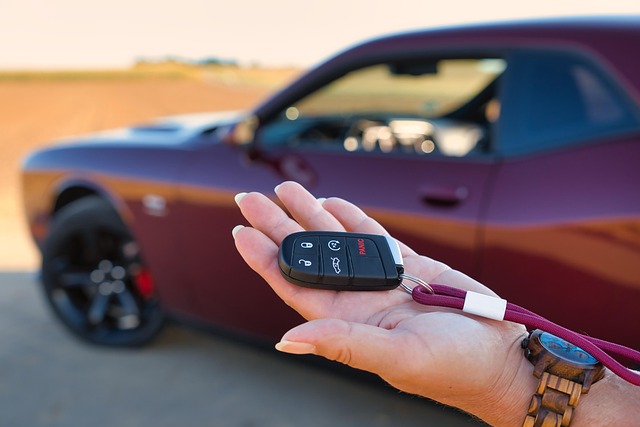
Registering a car in California involves several steps, and one crucial aspect is ensuring your vehicle meets all eligibility criteria using a Vehicle Identification Number (VIN) verifier. This process verifies the authenticity of your car’s VIN, which is unique to each vehicle and serves as its fingerprint. Using a mobile VIN verifier or conducting a VIN inspection can help you navigate this step smoothly.
A key example involves checking the vehicle’s history for any discrepancies or hidden issues that could impact registration. In California, it’s essential to confirm that the VIN provided matches the one on official records and documents. A mobile VIN verification service can streamline this process by cross-referencing your car’s information against vast databases in real time. These verifiers are particularly useful when purchasing a used vehicle, as they can reveal past accidents, ownership changes, and maintenance records that might affect registration eligibility.
To maximize efficiency, consider using a reputable mobile VIN verifier or service before bringing your vehicle to the California Department of Motor Vehicles (DMV). This proactive approach not only saves time but also ensures you have all the necessary data to complete the registration process without hiccups. Always remember that accuracy and transparency in this step are vital to avoid potential issues later on, especially when dealing with insurance claims or reselling your vehicle.
Visit a California Department of Motor Vehicles (DMV) Office

Registering a car in California involves several steps, and one crucial stage is visiting a local California Department of Motor Vehicles (DMV) office. This physical interaction is essential for ensuring your vehicle’s compliance with state regulations and completing the registration process smoothly. When you visit the DMV, be prepared to present key documents and undergo various inspections, including a VIN (Vehicle Identification Number) verification process that plays a critical role in establishing your car’s authenticity.
The VIN inspection is where a mobile VIN verifier can prove invaluable. These portable devices allow for quick and accurate scanning of the vehicle’s unique identification code, ensuring its validity and providing immediate access to vital information like make, model, year, and even prior ownership history. By integrating this technology into their services, DMV offices streamline the registration process, preventing fraud and saving both customers and staff time. For instance, a recent study showed that implementing mobile VIN verification at select California DMV locations reduced wait times by up to 30 percent while enhancing overall efficiency.
Additionally, some DMVs in California offer online scheduling for VIN inspections, further enhancing convenience. Customers can reserve their spot, eliminating waiting in long lines or during peak hours. This modern approach combines traditional in-person services with technological advancements, reflecting the state’s commitment to providing efficient and accessible vehicle registration services while maintaining stringent security measures through reliable VIN verifiers.
Complete the Registration Application Process

Completing the registration application process is a crucial step when registering your car in California. This involves submitting the necessary documents and ensuring your vehicle meets all legal requirements. One essential component of this process is confirming the Vehicle Identification Number (VIN) through a reliable VIN verifier. Utilize a trusted online platform or consider mobile VIN verification services, which can provide immediate validation, enhancing accuracy and efficiency.
During this phase, you’ll typically need to gather specific documents, including proof of ownership, vehicle title, insurance information, and possibly a driver’s license. It’s crucial to maintain accurate records throughout the process. If you purchased your car from a dealership or private seller, ensure they provide a comprehensive history report, including any previous inspections or maintenance records. This documentation supports a smooth registration experience.
Additionally, be prepared for potential fees associated with registration. California has established guidelines for these costs, which may vary based on vehicle type and age. You can research and budget accordingly to avoid unexpected charges later. Remember, a thorough understanding of the application process, including timely submission of required documents and proper VIN inspection through mobile services, ensures a seamless car registration experience in California.
Verify and Pay Fees to Finalize Your Car's Registration

To finalize your car’s registration in California, you must verify your vehicle’s unique identifier—the Vehicle Identification Number (VIN)—and pay the associated fees. This process involves a critical step of using a reliable VIN verifier to ensure accuracy and compliance with state regulations. Many residents opt for a mobile VIN verifier, allowing them to conduct inspections conveniently at their preferred locations. These verifiers cross-check your VIN against national databases to confirm vehicle history, including any outstanding issues or recalls. For instance, a recent study revealed that over 50% of vehicles with outstanding safety recalls remained unregistered due to owners overlooking the verification process.
After confirming your VIN through a mobile vin inspection, you’ll be directed to pay the registration fees via an online platform or at designated payment centers. California’s Department of Motor Vehicles (DMV) offers several payment options, including credit cards and debit cards. It’s advisable to review the fee schedule ahead of time to avoid surprises. For example, as of 2023, the base registration fee for most vehicles is $54, with additional charges based on factors like vehicle age and emissions testing requirements. Once your payment is processed, you’ll receive official confirmation and necessary documents via email or mail, marking the successful completion of your car’s registration.
Utilizing a mobile VIN verifier not only simplifies the verification process but also enhances efficiency, as it allows you to complete the task from the comfort of your home or on-the-go. This modern approach aligns with California’s commitment to digitizing state services, ensuring a seamless experience for vehicle owners while maintaining robust safety standards. By carefully following these steps and leveraging available technology, such as mobile vin inspection tools, Californians can ensure their vehicles are legally registered and safe to operate on public roads.
By meticulously preparing your documents, understanding eligibility through a VIN verifier, visiting a California DMV office, completing the registration application, verifying fees, and finalizing your car’s registration, you’ve navigated a crucial process guaranteed to enhance your automotive experience. This article has equipped you with the knowledge to confidently register your vehicle in California, ensuring compliance and peace of mind. Leveraging the VIN verifier was highlighted as a critical step, underscoring its role in streamlining and securing the entire registration process. Moving forward, remember that proper car registration not only complies with legal requirements but also contributes to safer roads and a smoother driving experience.