

Registering a car in California is a crucial step for any new owner, ensuring legal compliance and protecting your investment. However, navigating the process can be complex, with various requirements and documentation needed. This comprehensive guide aims to demystify the registration procedure, offering expert insights tailored specifically for California residents. We’ll walk you through each step, from gathering essential documents to utilizing reliable tools like a VIN verifier, ensuring an efficient and stress-free experience. By the end, you’ll be armed with the knowledge to register your vehicle with confidence.
- Prepare Required Documents for Car Registration in California
- Understand Vehicle Identification Number (VIN) Verification Process
- Gather Necessary Information from the Car's Owner
- Visit a California Department of Motor Vehicles (DMV) Office
- Complete Online Car Registration and Payment Steps
Prepare Required Documents for Car Registration in California

Before registering your car in California, ensuring you have all the necessary documents is crucial. This process involves several critical steps, and one of the most vital aspects is preparing for a Vehicle Identification Number (VIN) inspection. The VIN is a unique code that serves as a fingerprint for your vehicle, and its verification is a mandatory part of the registration procedure. In California, this process often includes a mobile VIN verification, allowing for greater convenience during car registration.
When getting ready for car registration, gather all ownership documents related to the vehicle. This typically includes proof of purchase, such as a bill of sale or previous registration records. Additionally, you’ll need valid identification documents for yourself and any other listed owners. It’s essential to check with the California Department of Motor Vehicles (DMV) for their specific requirements, as they may request additional documentation based on your circumstances. For instance, if you’re registering a vehicle in someone else’s name, expect to provide more extensive proof of ownership and relationship.
Performing a mobile VIN inspection is an efficient way to ensure your car’s history is accurate and up-to-date. Many third-party services offer this convenience, allowing you to verify the VIN without visiting a DMV office. These services utilize advanced technology to cross-reference the VIN against national databases, providing instant access to a vehicle’s service history, accident records, and potential issues. By incorporating mobile VIN verification into your preparation process, you can proactively address any red flags early in the registration procedure. This proactive approach not only saves time but also ensures that your car’s registration proceeds smoothly.
Understand Vehicle Identification Number (VIN) Verification Process
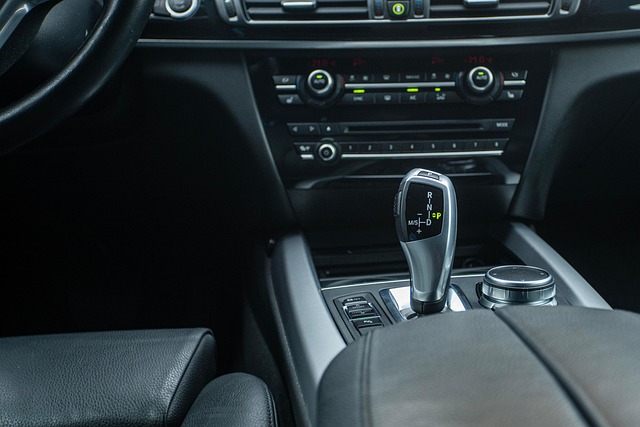
Understanding the Vehicle Identification Number (VIN) verification process is a crucial step in registering your car in California. The VIN is a unique code that identifies your vehicle’s make, model, and year, among other details, and it serves as a vital link between your car and its history. In California, this verification is mandatory before completing the registration process.
To ensure accuracy, many Californians opt for a mobile VIN inspection or mobile VIN verification service. These services utilize specialized technology to cross-reference the VIN with reputable databases, providing instant access to crucial information such as vehicle history reports, accident records, and outstanding recalls. For instance, a 2015 study found that over 40% of vehicles with reported safety issues had not been addressed due to owners being unaware of the issues or the difficulty in verifying ownership. Utilizing a mobile VIN verifier can help prevent these problems by offering immediate insights into your car’s history.
During the verification process, a vin verifier—whether mobile or stationary—will scan and decode the 17-character VIN, checking it against national and regional databases. This ensures that the vehicle matches its listed specifications and has not been reported stolen or had its identity altered. It’s important to choose a reputable service provider to guarantee accurate and reliable results. Additionally, keeping records of this verification process can serve as proof of your car’s legitimacy in case of future disputes or inspections.
Gather Necessary Information from the Car's Owner

Before registering your car in California, gathering accurate and complete information from the previous owner is a crucial step. This process ensures a smooth and efficient registration experience. Start by obtaining the Vehicle Identification Number (VIN), which serves as a unique fingerprint for your car. Utilize a reliable VIN verifier, such as those offered by certified mobile VIN verification services, to cross-reference the provided details with official databases. This is an essential step to prevent fraud and ensure the vehicle’s history aligns with the claims of the seller.
The California Department of Motor Vehicles (DMV) requires a comprehensive set of documents during registration. Request from the previous owner copies of the title, registration papers, insurance records, and any maintenance or repair invoices. These documents provide insights into the car’s past, including service history, accidents, or significant modifications. For example, if the vehicle has been in multiple accidents, this information is critical for accurate valuation and ensuring proper safety inspections.
To streamline the process, consider using mobile VIN verification apps that can scan and extract data from the vehicle’s label and provide a detailed report instantly. This modern approach saves time and reduces potential errors. Ensure all information is accurate and up-to-date to avoid delays or issues during registration. By following these steps and utilizing available tools like mobile VIN verifiers, you’ll be well-prepared to navigate California’s registration process with confidence.
Visit a California Department of Motor Vehicles (DMV) Office

To register your car in California, a physical visit to a DMV office is an essential step. This process involves verifying your vehicle’s identity using its unique Vehicle Identification Number (VIN). The California Department of Motor Vehicles (DMV) employs several methods for VIN verification, including on-site inspections and the use of mobile VIN verifiers. These tools help ensure that your car matches the information provided in official records.
When visiting a DMV office, you’ll need to bring along key documents, such as proof of ownership, vehicle registration certificates from any previous states, and current insurance cards. Additionally, many DMV locations now accept mobile VIN verifiers, which can streamline the process. These portable devices scan and confirm your car’s VIN accuracy, providing instant results. For instance, some third-party services offer mobile VIN inspection apps that connect directly to the DMV database, making it easier for customers to verify their vehicles’ authenticity.
Staff at the DMV office will guide you through the necessary procedures, which may include a visual inspection of your car and its documentation. They’ll cross-reference the information provided with state records to confirm the vehicle’s identity. It’s crucial to cooperate fully during this process, as any discrepancies could lead to delays or additional requirements. For instance, if there are issues with the VIN recorded in the system, you may be asked to obtain a new title or address any legal inaccuracies before completing the registration.
Preparing for your visit by gathering all required documents and being ready to answer questions can significantly enhance your experience. Consider using a mobile VIN verifier as an additional safety measure to ensure everything is in order before heading to the DMV. This proactive approach can save time and avoid potential complications during the car registration process in California.
Complete Online Car Registration and Payment Steps

Registering a car in California involves several steps, with a growing number of processes available online for added convenience. To complete your car registration, you’ll first need to obtain necessary documents and ensure your vehicle meets all state requirements. Once ready, log onto the California Department of Motor Vehicles (DMV) website and initiate the online registration process. This streamlined approach allows you to submit applications, pay fees, and even schedule a mobile VIN verification directly from your computer or mobile device.
The key component in this digital transformation is the Vehicle Identification Number (VIN) verifier, which plays a crucial role in authenticating your vehicle’s details. Through a simple mobile VIN inspection, the DMV can verify the vehicle’s history, ensuring it meets safety and emission standards. This step is particularly important for peace of mind and to avoid potential issues with registration or future inspections. For example, California requires a recent smog certificate, and a mobile VIN verification can confirm if your vehicle has passed the necessary emissions tests.
As you progress through the online registration process, carefully review all required fields and upload any supporting documents, such as proof of insurance, ownership transfer forms, or identity documents. After completing these steps, you’ll be directed to make the requisite payments securely online or by mail. Ensure accuracy in all submitted information, as any discrepancies may delay your registration. Remember, the goal is to streamline a potentially complex process, so leverage available tools like mobile VIN verification to enhance efficiency and ensure a smooth car registration experience.
By meticulously preparing required documents, understanding the VIN verification process with a vin verifier, gathering essential information from the car’s owner, and completing registration at a California DMV office or online, you can efficiently register your vehicle in California. This article has provided clear steps and insights to ensure a smooth process, empowering readers with the knowledge to navigate registration with confidence.