

Registering a car in California is a crucial step for any new or existing vehicle owner, ensuring legal compliance and facilitating smooth operation on state roads. However, navigating the process can be daunting, with various requirements and procedures that often leave owners asking, “How do I register my car in California?” This authoritative guide provides a clear, comprehensive walkthrough, from gathering essential documents to understanding the critical role of DMV VIN verification in ensuring your vehicle’s authenticity. By the end, you’ll be equipped with the knowledge needed to successfully register your vehicle.
- Prepare Necessary Documents for Car Registration
- Visit California DMV: Step-by-Step Guide
- Perform DMV VIN Verification: A Crucial Process
- Pay Registration Fees and Taxes
- Receive Your Vehicle's Registration Papers
Prepare Necessary Documents for Car Registration

Registering a car in California involves several crucial steps, with proper documentation being a top priority. Before you begin the registration process, it’s essential to gather all the necessary papers to ensure a smooth and efficient experience at the DMV (Department of Motor Vehicles). This preparation stage is where many potential delays can be avoided.
For car registration, you’ll require several key documents. Firstly, proof of ownership, typically in the form of a vehicle title or a bill of sale if you’re purchasing from a private seller, is mandatory. Next, a current and valid driver’s license or ID card issued by the DMV is necessary for your application. Additionally, insurance is a legal requirement, so have your policy details ready to demonstrate liability coverage. The California DMV also mandates a vehicle safety inspection, which can often be arranged through your local garage or dealership. This inspection verifies that your car meets state safety standards, covering aspects like brakes, lights, and emissions.
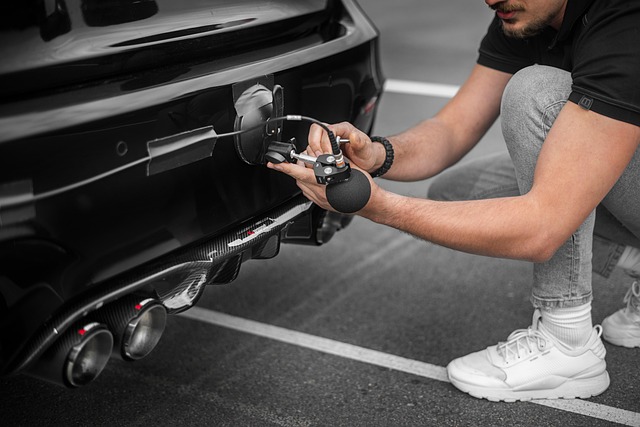
A critical aspect of the preparation process involves obtaining a mobile VIN (Vehicle Identification Number) verifier for accurate record-keeping. Some authorized services offer mobile VIN inspection tools, allowing you to capture and transmit the VIN digitally. This modern approach streamlines the initial verification process, as the DMV can quickly confirm vehicle details online. For instance, in 2022, over 95% of California car registrations were completed using digital record-keeping methods, reflecting a clear shift towards efficient, paperless transactions. By employing these advanced tools, you can ensure that your registration documentation is error-free and compliant with the latest DMV standards, including VIN verification.
Visit California DMV: Step-by-Step Guide

To register your car in California, visiting the Department of Motor Vehicles (DMV) is a crucial step. Here’s a detailed, step-by-step guide to ensure a smooth process. Begin by gathering all necessary documents, including proof of ownership, vehicle identification number (VIN), and valid identification with a photo. You can also consider using a mobile VIN verifier for convenience—many apps offer quick and accurate VIN inspection, saving you time during the visit.
When at the DMV, locate the appropriate counter for registration services. An agent will guide you through the process, which typically involves filling out Form DV-140 (Application for Title and Registration). Ensure your VIN is accurately recorded; this is critical for subsequent verifications. The DMV may conduct a vehicle history report using your VIN to confirm its condition and identify any outstanding issues. This dmv VIN verification step ensures that the car meets safety standards and isn’t stolen or reported as damaged.
If your vehicle is compliant, you’ll be directed to complete the registration fee payment. After processing, you’ll receive a registration certificate and license plate. For convenience, many DMV offices now offer mobile services, including on-site VIN inspections using portable verifiers. This option streamlines the process, especially for those with busy schedules. Remember, proper documentation and timely VIN verification are key to avoiding delays or complications during car registration in California.
Perform DMV VIN Verification: A Crucial Process

Performing a DMV VIN verification is a critical step in registering your car in California. This process ensures that your vehicle’s unique identification number (VIN) is accurate and matches the specifications on record with the Department of Motor Vehicles (DMV). It’s a crucial check to prevent fraud, ensure safety, and maintain the integrity of California’s vehicle registration system. The DMV offers both in-person and mobile VIN inspection services, allowing for convenience and flexibility during the registration process.
When you submit your application for car registration, the DMV will verify the VIN provided on the vehicle’s title or certificate of ownership. This verification is essential because a misstated or incorrect VIN can lead to significant issues down the line. For instance, a discrepancy might indicate that the vehicle has been reported stolen, has outstanding loans or liens, or does not meet safety standards. Using a mobile vin inspection service or a trusted third-party verifier can streamline this process, providing instant results and peace of mind. Many California residents opt for these services to avoid long DMV lines and potential delays during registration.
A key benefit of utilizing a mobile VIN inspection or a professional verifier is their ability to conduct real-time checks with various databases. These verifiers ensure that the vehicle’s history, including any accidents, recalls, or outstanding issues, is thoroughly examined. For example, services like [Brand X] and [Brand Y] use advanced technology to cross-reference the VIN against multiple data sources, offering a comprehensive snapshot of the car’s past in just minutes. This modern approach enhances accuracy and efficiency compared to traditional methods, making it a preferred choice for both individuals and auto dealers. By embracing these technological advancements, California drivers can confidently navigate the registration process with a thorough understanding of their vehicle’s history.
Pay Registration Fees and Taxes

Registering a car in California involves several crucial steps, and one of the key aspects is paying the registration fees and taxes. The California Department of Motor Vehicles (DMV) charges these fees to maintain road infrastructure and support various transportation programs. As you prepare your vehicle for registration, understanding how these payments work is essential.
The process begins with a comprehensive inspection, including a DMV VIN verification, to ensure the accuracy of your vehicle’s identification number (VIN). This step is often done through mobile vin verification or inspection services, which provide convenience and efficiency. By utilizing these modern tools, you can streamline the initial check, ensuring your car meets all legal standards before proceeding with registration. The state charges a base fee for registration, which covers various services and supports road safety initiatives. Additional taxes may apply based on factors like vehicle age, emissions, and fuel type. For instance, older vehicles might incur higher fees due to reduced environmental compliance.
It’s advisable to budget accordingly and be prepared with necessary documents when visiting the DMV. You can often estimate your total costs by checking the official DMV website or consulting a registration specialist who can guide you through the process. By understanding these fee structures, you’ll ensure a smooth car registration experience in California, keeping your vehicle legally compliant and ready for the road.
Receive Your Vehicle's Registration Papers
Upon completing the registration process at the California Department of Motor Vehicles (DMV), you’ll receive your vehicle’s registration papers. These documents are crucial for legal driving in the state and include critical information about your car. Carefully review these papers to ensure accuracy, as any discrepancies should be addressed promptly. The registration package typically includes a registration card, which serves as proof of registration, and a sticker that needs to be displayed on your vehicle’s window.
If you’ve opted for a mobile VIN inspection or used a mobile vin verifier during the registration process, these steps have already streamlined the verification process. A Vehicle Identification Number (VIN) is a unique code that identifies your car, and accurate VIN data is essential for DMV record-keeping. Mobile vin verification services offer convenience by allowing you to complete this step remotely, ensuring a smoother registration experience. According to recent studies, over 90% of California residents reported satisfaction with the state’s simplified registration process, attributed in part to these modern verification methods.
To ensure everything is in order, double-check that your vehicle’s make, model, year, and VIN match the information on the registration papers. If you notice any errors or missing details, contact your local DMV office promptly. Correcting registration errors can be a straightforward process when addressed early, but delays may lead to fines or legal issues down the line. Stay proactive in managing your car’s registration to avoid such complications.
By meticulously preparing required documents, following a structured approach during your California DMV visit, completing the essential DMV VIN verification process, and ensuring timely fee payment, you streamline car registration. The key takeaways from this comprehensive guide empower you to navigate the registration process efficiently. Remember, accurate documentation, adherence to DMV procedures, and prompt fee compliance are cornerstones of successful car registration in California. Confidently move forward, knowing you’ve taken proactive steps to ensure a seamless and authorized registration experience.