

Looking to register your car in California? This guide walks you through the entire process, from understanding key requirements to securing your license plate. First, grasp the state’s car registration mandates, then gather vital documents like proof of insurance and ownership. Next, visit your local DMV for essential VIN verification, a crucial step before applying. Finally, complete the form, pay fees, and drive off with your new plates. Ensure a smooth process by following these steps, including key SEO terms like ‘dmv vin verification’.
- Understand California Car Registration Requirements
- Gather Necessary Documents for Car Registration
- Visit Your Local DMV for Vehicle Identification Number (VIN) Verification
- Complete the Car Registration Application Process
- Pay the Required Registration Fees and Obtain Your License Plate
Understand California Car Registration Requirements

Before registering your car in California, it’s crucial to understand the state’s specific requirements. The California Department of Motor Vehicles (DMV) mandates several steps for new and transferred vehicle registrations, including a meticulous DMV VIN verification process. This involves confirming the Vehicle Identification Number (VIN) accuracy through official channels to ensure the car’s legitimacy and history.
In addition to the standard procedures, consider the benefits of a mobile VIN inspection. This service allows you to have the VIN checked remotely, offering convenience and saving you a trip to a DMV office. Whether you’re purchasing a used car or simply looking to streamline the registration process, understanding these requirements and exploring options like mobile vin verification will ensure a smoother experience.
Gather Necessary Documents for Car Registration

Before you begin the registration process, ensure you have all the essential documents. The California Department of Motor Vehicles (DMV) requires specific paperwork to verify your vehicle’s identity and your eligibility for registration. Key among these is the Vehicle Identification Number (VIN), which acts as a unique fingerprint for your car. For convenience, many opt for a mobile VIN inspection or vin inspection service, allowing for a straightforward dmv vin verification process.
These services provide a quick and efficient way to obtain the necessary documentation, ensuring that your vehicle’s details are accurately recorded with the DMV. Other documents you’ll need include proof of insurance, a completed registration application form, and payment for the registration fee. Double-check that all information is correct and up-to-date before proceeding to the next step in car registration.
Visit Your Local DMV for Vehicle Identification Number (VIN) Verification
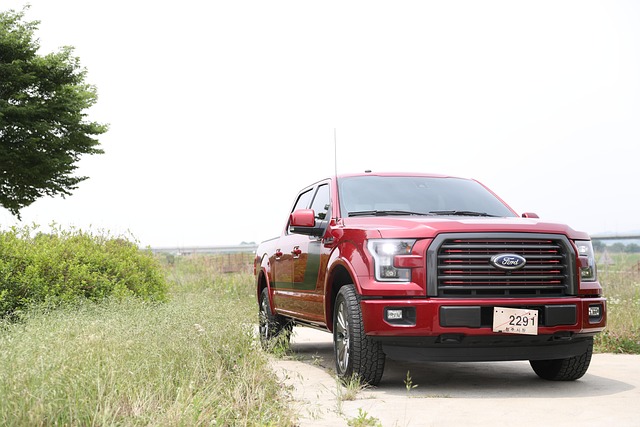
Visiting your local DMV for Vehicle Identification Number (VIN) verification is a crucial step in the car registration process in California. This procedure ensures that the vehicle you intend to register is genuine and meets all safety standards. The DMV will cross-check the VIN with their records to confirm the vehicle’s history, ensuring it hasn’t been reported stolen or had any outstanding issues.
During this process, a trained official can perform a mobile vin inspection right at the DMV office, offering convenience and peace of mind. Alternatively, some services provide remote or on-site vin inspection through mobile vin verifiers, allowing for added flexibility. This step is essential to avoid any legal complications and to ensure a smooth registration experience.
Complete the Car Registration Application Process

To complete the car registration application process in California, you’ll need to gather essential documents and pass a series of verifications. Start by obtaining a vehicle identification number (VIN) verification from the Department of Motor Vehicles (DMV). This crucial step involves a thorough inspection of your car’s details, ensuring accuracy in its registration. You can opt for a mobile VIN inspection or visit a DMV office for this process.
Fill out the necessary application forms with precise information. Provide details about your vehicle, including make, model, year, and color. Attach relevant documents such as proof of ownership, insurance, and identification. Once your application is complete, submit it along with the required fees to the DMV. They will verify all information and perform a final VIN check before issuing your car’s registration.
Pay the Required Registration Fees and Obtain Your License Plate

After completing your vehicle’s registration application at the DMV or online, it’s time to pay the required fees. These include the base registration cost as well as any additional charges based on your vehicle type and emissions status. Once your payment is processed, you’ll receive confirmation along with details for obtaining your license plate. In California, this typically involves a DMV VIN verification, where they cross-reference your vehicle’s unique identification number (VIN) to ensure it matches the records and complies with state standards.
To streamline the process, many Californians opt for convenient services like mobile VIN inspection or mobile VIN verification. These services send a professional to your location to complete the necessary checks and issue your license plate, saving you a trip to the DMV.
Registering a car in California involves understanding key requirements, gathering essential documents, and completing a straightforward application process at your local DMV. After verifying your vehicle’s Vehicle Identification Number (VIN), you’ll pay the necessary fees to obtain your license plate, ensuring legal compliance for your California roads.