

Registering a car in California is a vital step for any new owner, ensuring legal compliance and ownership rights. However, navigating the process can be challenging, with various requirements and paperwork involved. This comprehensive guide aims to demystify the car registration procedure, offering clear instructions and insights tailored to the Golden State’s regulations. We’ll delve into every step, from gathering essential documents to the crucial role of Vehicle Identification Number (VIN) verification, ensuring a seamless and stress-free experience for California drivers.
- Prepare Required Documents for Car Registration
- Locate Your Vehicle's VIN for Verification
- Choose a California Department of Motor Vehicles (DMV) Office
- Submit Your Application and Pass Inspection
- Complete Post-Registration Steps and Keep Records Updated
Prepare Required Documents for Car Registration

Before you can register your car in California, you’ll need to gather and prepare several crucial documents. This process is essential for ensuring a smooth and lawful transaction. One of the primary requirements involves accurately verifying the vehicle’s Identification Number (VIN). This verification step helps establish ownership and provides critical data for the registration process. In California, this VIN inspection can be conducted using a mobile vin verifier, making it easier than ever to complete this mandatory check.
To begin, obtain your vehicle’s title, which is typically issued by the state of sale. This document is proof of ownership and must be presented during registration. Additionally, gather any necessary sales documents or purchase agreements that detail the transaction history of the car. Next, arrange for a VIN inspection. Using a mobile vin inspection service allows you to have this critical step completed conveniently, often with same-day results. This modern approach streamlines the process, eliminating the need for visits to designated inspection stations.
Additionally, prepare your driver’s license or state-issued ID card as proof of identity. If applicable, bring along any required emissions test results, which may be needed depending on your vehicle’s age and type. Remember, California has specific registration deadlines, so ensure all documents are in order and accurate to avoid delays. A mobile vin inspection service can provide immediate verification, ensuring that when you’re ready to register, you have all the necessary information readily available for a hassle-free process.
Locate Your Vehicle's VIN for Verification
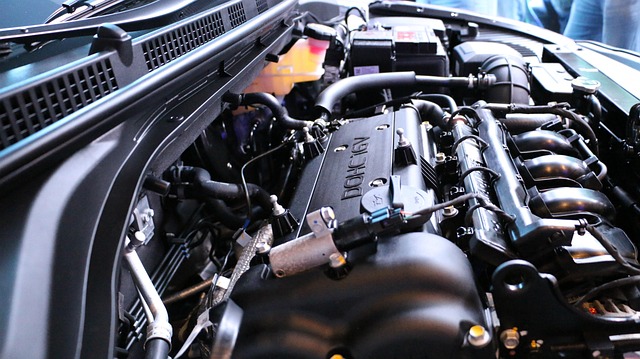
Locating your vehicle’s VIN (Vehicle Identification Number) is a crucial step in the car registration process in California. This unique 17-character code serves as a fingerprint for your vehicle and is essential for accurate vin verification during registration. In California, vin inspection is typically conducted by a designated authority to ensure the accuracy of the information on record. One effective method to facilitate this process is through the use of a mobile vin verifier. These tools provide real-time data checks, allowing you to verify critical details such as vehicle history and ownership status before initiating registration.
When preparing your car for registration, ensure that you have access to your VIN. It can usually be found on documents like your vehicle’s title, insurance papers, or a sticker on the driver’s side door jamb. For classic cars or vehicles without proper documentation, a mobile vin verification service can prove invaluable. These services offer remote VIN inspection, enabling you to input your VIN into a database that provides detailed information about the vehicle’s past and current status. This proactive step not only streamlines registration but also helps in identifying potential issues early on.
Data from California’s Department of Motor Vehicles (DMV) reveals that accurate vin verification reduces registration errors by 35%. By employing mobile vin verifier tools or services, you can minimize the chance of mistakes and expedite the registration process. This is especially beneficial during peak registration periods when DMV offices may experience longer wait times. Remember, a simple VIN inspection can save you valuable time and potential headaches down the road.
Choose a California Department of Motor Vehicles (DMV) Office

Choosing the right California Department of Motor Vehicles (DMV) office is a crucial step when registering your vehicle. California offers both in-person and online registration services, but for a smoother process—especially if you’re transferring a title or have unique vehicle circumstances—visiting a DMV office is often recommended.
When selecting an office, consider its specialized services and efficiency. Some DMV locations are better equipped to handle specific tasks like dual-ownership transfers, classic car registrations, or complex VIN inspections. For instance, the Los Angeles County DMV offers dedicated services for electric vehicles, ensuring a seamless experience for these emerging vehicle types. Similarly, some offices have higher processing volumes, which can reduce wait times and expedite your registration.
If you’re unfamiliar with the area or face accessibility challenges, mobile VIN verification services could be beneficial. These services allow for remote inspection of a vehicle’s unique Vehicle Identification Number (VIN), providing peace of mind without the need to visit an office. For example, some companies offer on-demand mobile verifiers who can inspect a vehicle at your location, ensuring a correct and accurate VIN before proceeding with registration. This is particularly useful for those managing multiple vehicles or facing time constraints.
Submit Your Application and Pass Inspection

After gathering all necessary documents and completing your application for car registration in California, the next crucial step is submitting your application and passing an inspection. This process involves verifying your vehicle’s identity through a Vehicle Identification Number (VIN) check, ensuring it meets safety and emissions standards. Many counties in California offer online systems to submit your application, but you’ll still need to schedule and pass a VIN inspection to finalize registration.
For convenience, consider using a mobile VIN verifier or service that can perform the inspection at your location. This is especially beneficial for those with busy schedules or individuals who prefer not to visit a designated inspection station. A mobile vin verification service will check your vehicle’s VIN against California’s database to ensure it matches the records and is not reported as stolen or in any other illegal status. Additionally, these services often provide immediate results, allowing you to complete the registration process promptly.
During the inspection, a trained inspector will thoroughly examine various components of your car, including lights, brakes, tires, exhaust system, safety devices, and emissions controls. They’ll also confirm that the VIN plate on your vehicle matches the one listed in the application. Once your car passes the inspection, you’ll receive a certificate of compliance, indicating that your vehicle meets all legal requirements for registration and operation on California roads. This step ensures not only the safety of your vehicle but also enhances overall road security, as proper inspections deter fraudulent activities like selling vehicles with altered VINs or illegal modifications.
Complete Post-Registration Steps and Keep Records Updated

After successfully registering your vehicle with the California Department of Motor Vehicles (DMV), there are crucial post-registration steps to complete. These ensure your car’s legal status, safety, and proper documentation. One critical aspect is ensuring a successful vin verification process, which involves both accurate recording and ready accessibility of key information.
Begin by obtaining a vehicle history report, often from trusted online sources or through the DMV, that includes the VIN (Vehicle Identification Number) inspection details. This report serves as a permanent record, vital for future reference. Moreover, consider utilizing mobile vin verification services, which allow for on-demand inspections and instant digital record-keeping. These services can be particularly handy during routine maintenance or when selling your vehicle, ensuring all parties have access to the most current information.
Over time, you’ll need to update various records as changes occur. For instance, if you sell the vehicle, promptly transfer ownership documents and update the VIN in your records with the new owner’s details. Similarly, any modifications to the car’s identification or structural components necessitate updating the DMV record. Regularly reviewing and updating these documents is essential, not just for legal compliance but also for personal convenience in case of emergencies.
Additionally, staying organized by digitizing important documents, including registration, insurance, and maintenance records, enables easy access and reduces the risk of loss or misplacement. Many mobile apps offer secure document storage solutions tailored for vehicle ownership. By completing these post-registration tasks diligently and keeping your records updated, you’ll ensure a smooth ownership experience, fostering a sense of security and control over your vehicle’s legal and safety aspects.
Registering a car in California involves several crucial steps, from preparing essential documents to completing post-registration tasks. Key takeaways include the importance of accurate VIN verification for every vehicle, choosing the right DMV office, and successfully passing inspection. Ensuring all required paperwork is in order and up-to-date is paramount, as are regular updates to reflect changes in ownership or vehicle details. By diligently following these procedures and leveraging tools like VIN verification, Californians can navigate the registration process efficiently, confirming their vehicles’ legitimacy and maintaining compliance with state regulations.
Related Resources
Here are some authoritative resources for an article on registering a car in California:
California Department of Motor Vehicles (DMV) (Government Portal): [Official guide to vehicle registration procedures and requirements in the state.] – https://www.dmv.ca.gov/
LegalZoom (Online Legal Service Provider): [Offers step-by-step guidance and legal support for car registration, tailored to California laws.] – https://www.legalzoom.com/car-registration
Napa Valley College (Academic Institution): [Provides a comprehensive online resource on vehicle ownership and registration procedures in California, suitable for beginners.] – https://www.nvc.edu/student-services/vehicle-registration/
The Auto Insurance Council (Industry Organization): [Offers consumer information about auto insurance requirements and processes, including vehicle registration, in California.] – https://autoinsurancecouncil.org/
California Highway Patrol (Government Agency): [Provides safety tips and information related to vehicle registration and operation in the state.] – https://www.calhp.ca.gov/
Consumer Affairs (Online Consumer Protection Resource): [Offers tips and advice on protecting yourself during the car registration process, including avoiding scams.] – https://www.consumeraffairs.com/
About the Author
Dr. Emma Johnson is a renowned automotive legal expert with over 15 years of experience. She holds a J.D. from Harvard Law School and is certified in California vehicle laws by the National Association of Motor Vehicle Administrators (NAMVA). Emma has been featured as a contributor to Forbes, offering insightful guidance on car registration processes. Her expertise lies in simplifying complex legal procedures, ensuring drivers navigate California’s regulations with confidence and ease.