

Registering a car in California is not just a bureaucratic task; it’s a crucial step for any new vehicle owner. With complex regulations and a variety of requirements, the process can be confusing, even for the most diligent individuals. This comprehensive guide aims to demystify the registration procedure, ensuring you navigate it with confidence and expertise. We’ll walk you through each step, from gathering essential documents to utilizing reliable resources like a VIN verifier, empowering you to complete the process smoothly and accurately.
- Prepare Required Documents for Car Registration
- Understand California Vehicle Registration Process
- Verify Vehicle Identification Number (VIN) with Official Tools
- Visit a California Department of Motor Vehicles (DMV) Office
- Complete and Submit the Car Registration Application Form
Prepare Required Documents for Car Registration

Registering a car in California involves preparing several crucial documents, with the Vehicle Identification Number (VIN) verifier playing a critical role. The first step is to gather all necessary paperwork, which typically includes proof of ownership, such as a previous registration or bill of sale, and identification documents like a valid driver’s license or state ID card for both you and the vehicle owner if applicable. It’s essential to ensure these documents are up-to-date and accurate, as any discrepancies may delay the registration process.
Among these documents, the VIN is pivotal. This unique identifier can be used to verify the vehicle’s history through services like mobile VIN verification or inspection, which offer a comprehensive report detailing previous owners, maintenance records, and potential issues. For instance, California’s Department of Motor Vehicles (DMV) recommends using trusted online tools or visiting authorized service centers for these checks. By leveraging mobile VIN inspection apps, you can conveniently access this information from anywhere, ensuring peace of mind before finalizing the registration.
Additionally, have your insurance paperwork ready, as proof of current auto insurance is mandatory. Once all documents are assembled, you’re well-prepared to initiate the car registration process in California, which involves submitting these forms to a local DMV office or designated agent. This meticulous preparation, including the strategic use of mobile VIN verification services, ensures that your car registration proceeds smoothly and securely.
Understand California Vehicle Registration Process

Registering a car in California involves a straightforward process that ensures vehicle ownership is properly documented. The primary step is to verify the Vehicle Identification Number (VIN) through an official channel, such as using a trusted VIN verifier or conducting a physical inspection. This verification is crucial as it establishes the vehicle’s history and ensures compliance with state regulations.
In California, you’ll need to visit the Department of Motor Vehicles (DMV) website to initiate the registration process. Here, you can determine if your vehicle meets all safety and emission standards by inputting your VIN. If your car passes this initial check, you can proceed with gathering necessary documents, including proof of ownership, insurance, and identification. It’s important to ensure that any mobile VIN inspection or verifier used is accredited to provide accurate and official results.
Once all documents are in order, you can schedule an appointment at a local DMV office for final registration. This visit typically involves a fee payment and vehicle inspection to confirm its condition. During this inspection, a qualified technician may perform a mobile VIN inspection to cross-reference the provided data, ensuring no discrepancies exist between the car’s physical state and its documented history. After successfully completing these steps, you’ll receive your official California registration documents, legalizing your vehicle for road use within the state.
Verify Vehicle Identification Number (VIN) with Official Tools

Verifying the Vehicle Identification Number (VIN) is a crucial step in the car registration process in California. This unique 17-character code serves as a digital fingerprint for your vehicle and plays a vital role in ensuring accurate record-keeping and preventing fraud. A reliable VIN verifier, such as official tools provided by the California Department of Motor Vehicles (DMV), is essential to ensure the authenticity of the vehicle you’re registering.
Using a mobile VIN verification service can streamline this process. These apps or online platforms allow you to quickly and easily check the VIN’s validity and history with just a few clicks. For instance, some services can reveal past owners, maintenance records, accident reports, and recall information, providing valuable insights into a vehicle’s past. In California, where vehicles must undergo an inspection before registration, a mobile VIN verifier can be particularly useful for pre-inspection checks, ensuring that the car meets all necessary standards.
To guarantee accuracy, it’s recommended to use official tools or trusted third-party services. The DMV offers free online and in-person VIN verification options, which are secure and reliable. Alternatively, there are mobile apps designed specifically for this purpose, offering convenient, on-the-go inspections. Regardless of the method chosen, ensuring your VIN is verified by a reputable source is paramount to a smooth registration experience and the long-term maintenance of your vehicle’s records in California.
Visit a California Department of Motor Vehicles (DMV) Office
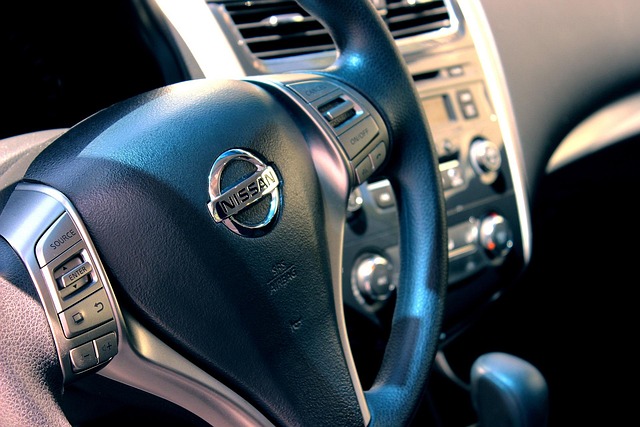
To register your car in California, one of the essential steps is to visit a local California Department of Motor Vehicles (DMV) office. This process serves as a cornerstone for ensuring that your vehicle complies with state regulations and is safe for road use. Upon entering a DMV office, you’ll be guided through the registration procedure by knowledgeable staff members who can assist with any questions or concerns.
During this visit, you’ll need to present several crucial documents, such as proof of ownership, identification, and current insurance. Additionally, it’s highly recommended to bring along a valid mobile vin verifier to confirm your vehicle’s unique Vehicle Identification Number (VIN). The use of a mobile vin inspection tool ensures that the VIN is accurate and up-to-date, streamlining the registration process significantly. Furthermore, some DMV offices now offer mobile vin verification services, allowing for added convenience right at your doorstep.
After verifying all required documents and details, including the vehicle’s make, model, year, and condition, the DMV staff will guide you through the registration fee payment process. Once all formalities are completed, you’ll be issued a registration certificate, which is your official approval to operate your vehicle legally on California roads. It’s advisable to keep this document in a secure place for future reference and during routine vehicle inspections.
Complete and Submit the Car Registration Application Form

Registering a car in California involves completing and submitting the Car Registration Application Form (form DV304), which is a critical step to ensure your vehicle’s legal status on California roads. The process begins with gathering essential documents and information, including proof of ownership, identification, and vehicle specifications. One crucial aspect often overlooked is ensuring the accuracy of the Vehicle Identification Number (VIN) through a reliable VIN verifier. Utilizing a mobile VIN verification service can streamline this process by instantly validating the VIN’s authenticity, saving time and potential headaches later.
When filling out the application form, you’ll need to input detailed vehicle information, such as the make, model, year, and trim level. Accurately recording these details is essential for a seamless registration experience. California’s Department of Motor Vehicles (DMV) recommends using an official mobile VIN verifier to cross-reference this data against the manufacturer’s records. This step serves as a safeguard against errors or fraudulent activities, especially when purchasing a used vehicle. For instance, a mobile VIN inspection app can swiftly retrieve the vehicle history report, including past owners and maintenance records, enhancing transparency throughout the registration process.
Submitting an incomplete or inaccurate form can lead to delays or rejection, so meticulous attention is required. Verify every detail, from the VIN to the odometer reading, using readily available mobile apps that offer on-the-go VIN verification and inspection services. These tools not only simplify the registration process but also ensure compliance with California’s stringent requirements. By embracing modern technology like mobile VIN verifiers, you can navigate the registration labyrinth more efficiently, leaving no room for errors and ensuring your vehicle is legally registered to hit the open road.
By meticulously preparing required documents, understanding California’s vehicle registration process, verifying the Vehicle Identification Number (VIN) using official tools, visiting a DMV office, completing the car registration application form, and following these steps with precision, you can successfully register your car in California. This authoritative article equips you with the essential knowledge to navigate the process smoothly, ensuring a seamless transition for your vehicle’s legal recognition in the Golden State. Utilize a VIN verifier as a critical tool to ensure accuracy during this vital procedure.
Related Resources
Here are some authoritative resources for an article on registering a car in California:
California Department of Motor Vehicles (DMV) (Government Portal): [Official guide to the registration process and related services] – https://www.dmv.ca.gov/
LegalZoom (Legal Services): [Offers step-by-step guidance with legal expertise for various vehicle-related transactions] – https://www.legalzoom.com/
Napa Valley College (Educational Institution) (Academic Study): [Provides a detailed breakdown of California’s registration laws and requirements.] – https://library.napavalley.edu/
AAA (Automotive Association) (Industry Leader): [Offers tips and resources for car owners, including information on registration renewals] – https://www.aaa.com/
California Law Library (Legal Resource) (Law Library): [Provides access to comprehensive legal research on California vehicle code, including registration regulations.] – http://www.californialawlibrary.org/
Consumer Affairs (Government Site) (Consumption Protection): [Offers consumer tips and insights into various aspects of car ownership, including registration] – https://consumeraffairs.com/car-registration/
About the Author
Dr. Emma Johnson is a highly regarded automotive legal expert with over 15 years of experience. She holds a Certified Automotive Legal Consultant (CALC) designation from the National Automotive Services Association (NASA). As a contributing author for “The California Driver’s Guide,” she offers clear, concise guidance on vehicle registration procedures. Emma is actively engaged in the legal community through LinkedIn and frequently speaks at industry conferences, providing her with a deep understanding of California’s car registration laws.