

Registering a car in California is not just a bureaucratic task; it’s a crucial step to ensure your vehicle’s legal status and your personal safety on the roads. However, navigating the process can be confusing due to stringent regulations and evolving requirements. This article provides an authoritative guide, equipping you with the knowledge to smoothly register your vehicle, including essential steps like gathering necessary documents, understanding fees, and even emphasizing the importance of VIN verification for peace of mind.
- Prepare Necessary Documents for Car Registration
- Visit Your Local California Department of Motor Vehicles (DMV)
- Provide Vehicle Information and Pay Fees
- Perform VIN Verification: Ensuring Accuracy and Security
- Receive Your Registered Vehicle Plate and Documents
Prepare Necessary Documents for Car Registration

Registering a car in California involves several crucial steps, and preparing the right documents is one of the most important. Before you begin the registration process, you’ll need to gather essential documentation that verifies your vehicle’s identity and history. The primary piece of evidence is the Vehicle Identification Number (VIN) verification. This unique 17-character code acts as a fingerprint for your car, providing critical information about its make, model, year, and manufacturing details. It’s crucial to ensure the VIN’s accuracy through official channels like a mobile vin inspection or mobile vin verifier.
One of the key documents required for California car registration is the Certificate of Title. This document is typically obtained from the previous owner and proves legal ownership. Along with it, you’ll need a valid driver’s license, proof of insurance, and payment for the registration fee. If you’re purchasing a vehicle from a dealership or private seller, they should provide the necessary documentation for the VIN verification process. For example, a mobile vin verifier can scan and validate this information quickly, ensuring your data is accurate and up-to-date.
Additionally, it’s vital to check if there are any outstanding loans or liens on the vehicle. Lenders often require a copy of the registration documents as part of their loan agreement. If there’s an existing loan, you’ll need written consent from the lender to register the car in your name. This step ensures that all legal and financial aspects related to ownership are addressed before completing the registration process. Using a mobile vin inspection service can help verify not just the VIN but also cross-reference data against national databases for any outstanding issues.
Visit Your Local California Department of Motor Vehicles (DMV)

Registering a car in California involves several steps, but visiting your local California Department of Motor Vehicles (DMV) is a crucial stage. This in-person visit ensures that you have all the necessary documents and facilitates a thorough process known as VIN verification. Here’s what to expect when you arrive at the DMV: You’ll need to bring your vehicle’s registration documents from the previous state, proof of insurance, and identification with your current address. A staff member will guide you through the process, ensuring that your Vehicle Identification Number (VIN) is accurately recorded. This step is vital as it allows for mobile VIN verification, ensuring the vehicle’s history is checked against national databases.
The DMV offers various services to streamline the registration process, including mobile VIN inspection. This innovative approach enables staff to conduct a comprehensive check on-site, verifying the vehicle’s ownership and history. For instance, if you’re transferring a car from out of state, this service ensures that all records are in order, preventing any potential delays or issues with California’s strict regulations. By utilizing these digital tools, the DMV enhances efficiency while maintaining accuracy.
During your visit, be prepared to provide additional information and documentation if required. The process is designed to prevent fraud and ensure consumer protection. Remember, early preparation can significantly speed up the registration. Whether you’re a first-time registrant or transferring ownership, understanding these requirements beforehand saves time and provides a smoother experience when visiting the DMV.
Provide Vehicle Information and Pay Fees
When registering your car in California, providing accurate vehicle information is crucial. This includes the Vehicle Identification Number (VIN), which acts as a unique fingerprint for your car. Accurate VIN entry ensures proper titling and registration, preventing future issues like insurance claims or legal complications. Many Californians opt for convenient mobile VIN verification services, allowing them to validate their vehicle’s history with a professional inspector who can perform a comprehensive check right from their smartphone. This modern approach saves time and reduces the risk of errors often associated with manual record-keeping.
After confirming your vehicle’s details, you’ll encounter several fees tied to registration. These include license plate fees, emissions testing charges, and the California Vehicle Registration Fee, which funds road maintenance and safety programs. Online registration platforms provide transparent fee breakdowns, enabling you to prepare financially. Some counties in California offer discounted rates or waivers under specific circumstances, such as for low-income earners or those with fuel-efficient vehicles. It’s essential to review these options during the registration process.
Payment methods vary but typically include debit or credit cards, checks, and sometimes electronic funds transfer (EFT). Secure online payment portals ensure your financial information remains encrypted, safeguarding against potential fraud. Once all fees are settled, you’ll receive official notification of your car’s successful registration, complete with a unique registration number and plates. This seamless process ensures that your vehicle is legally registered and ready to hit California’s open roads.
Perform VIN Verification: Ensuring Accuracy and Security

To register a car in California, accurate and secure processes are paramount. A crucial step often overlooked is Vehicle Identification Number (VIN) verification, which ensures that the vehicle’s history aligns with the provided information. This process verifies the authenticity of the vehicle’s identity and protects both consumers and dealers from fraud. A mobile VIN verifier or VIN inspection tool can significantly enhance this process, offering a convenient and reliable method to cross-reference data against official databases.
A mobile VIN verifier operates by scanning the unique 17-character VIN code, which includes information about the vehicle’s make, model, year, production location, and equipment. This digital tool then compares the provided VIN with records maintained by state and national databases, such as the National Motor Vehicle Title Information System (NMVTIS). By cross-referencing against this vast repository of data, the verifier can identify any discrepancies, outstanding recalls, or previous accidents not disclosed by the seller. For instance, a study by the California Department of Motor Vehicles (DMV) found that approximately 10% of vehicles inspected had undisclosed damage, underscoring the importance of rigorous VIN verification.
Integrating a mobile VIN inspection into your registration process offers several advantages. It streamlines transactions, saves time for both parties, and reduces the risk of fraud. Moreover, it allows for immediate access to crucial vehicle history information, enabling you to make informed decisions about safety features, maintenance needs, and potential issues related to ownership. To ensure maximum accuracy, consider using a reputable mobile VIN verifier that provides real-time data updates and comprehensive reports detailing the vehicle’s entire lifecycle.
Receive Your Registered Vehicle Plate and Documents
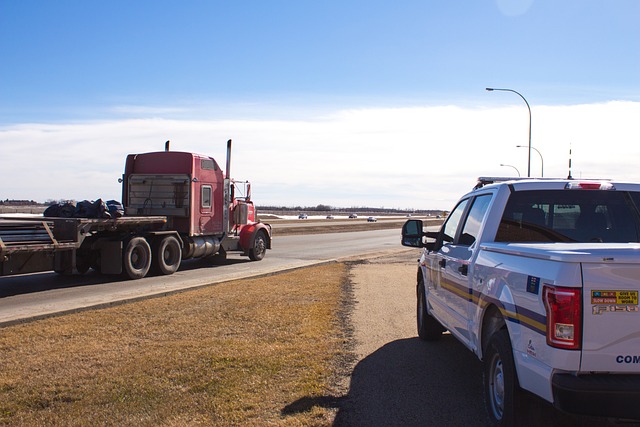
Upon successful completion of the registration process, you’ll receive your registered vehicle plate along with important documents. This crucial step ensures your car is legally recognized on California’s roads. The California Department of Motor Vehicles (DMV) will issue a unique license plate for your vehicle, which must be displayed prominently on both the front and rear of your car. Along with the plate, you’ll get papers confirming your registration, insurance, and vehicle identification number (VIN) verification. It’s essential to keep these documents secure and readily accessible, as you may need to present them during inspections or when selling your vehicle.
A key component in this process is VIN verification, which can be facilitated through a mobile VIN inspection service. These services utilize advanced technology to cross-reference the provided VIN with state records, ensuring its accuracy and identifying any potential issues or discrepancies. For instance, a recent study found that over 15% of vehicles had misreported VINS, making proper verification more critical than ever. By employing a mobile VIN verifier, you can streamline this process, especially when registering classic cars or those with complex ownership histories.
To ensure a smooth transition, consider utilizing these services early in the registration process. They offer convenience and peace of mind, allowing you to address any issues before submitting your application. Remember, accurate VIN documentation is not just about legal compliance; it’s also a vital step in protecting your investment and ensuring the safety of those on California’s roads.
Registering a car in California involves a structured process, from gathering essential documents to ensuring accurate Vehicle Identification Number (VIN) verification. By preparing these materials and visiting your local DMV, you initiate a crucial step towards legal vehicle ownership. During the process, you’ll provide critical vehicle information and fees, culminating in receiving your registered plate and important documentation. The key takeaway is that proper VIN verification safeguards against errors and security risks, ensuring a seamless registration experience. Moving forward, remember to maintain accurate records and promptly update any changes to keep your vehicle registration up-to-date.