

Registering a car in California is a necessary step for any new vehicle owner, but the process can be daunting, filled with paperwork and bureaucratic hurdles. Many are unfamiliar with the required steps, leading to delays and frustrations. This comprehensive guide aims to demystify the registration procedure, ensuring a smooth experience for all California drivers. We’ll navigate the regulations, explain each crucial step, and even introduce tools like the DMV’s VIN verifier to streamline the process. By following this expert-crafted roadmap, you’ll efficiently secure your vehicle’s legal status in the Golden State.
- Prepare Required Documents for Car Registration
- Visit Your Local California DMV Office or Use Online Services
- Verify Vehicle Identification Number (VIN) with DMV VIN Verifier
- Complete the Registration Application and Pay Fees
- Receive Your Vehicle Registration and License Plate
Prepare Required Documents for Car Registration

Before you begin the car registration process in California, it’s crucial to prepare all the necessary documents. This step is often overlooked but can significantly streamline your experience at the Department of Motor Vehicles (DMV). One critical aspect involves gathering evidence that your vehicle meets legal standards through a valid Vehicle Identification Number (VIN) inspection. The DMV offers a VIN verifier service, commonly known as the dmv vin verifier, which facilitates this process. This digital tool enables users to conduct a mobile VIN verification, ensuring the vehicle’s history and specifications align with California’s registration criteria.
For instance, if you’re purchasing a used car, a mobile VIN inspection becomes indispensable. The seller might provide a clean bill of health from an official inspection station, but independent verification through a mobile vin inspection 1-2 times can offer peace of mind. Many third-party apps and services now incorporate this feature, allowing users to compare findings with the DMV’s records. It’s advisable to cross-reference results for accuracy. In some cases, a simple text message or phone call to the previous owner can reveal valuable details about accident history or outstanding issues.
Additionally, gathering other essential documents like proof of insurance, vehicle ownership transfer forms (if applicable), and current registration (for temporary registration) will expedite your visit to the DMV. The preparation stage is where many potential delays occur; hence, being proactive and well-organized can save you valuable time and frustration later. Always consult the official California DMV website for specific requirements and guidelines tailored to your situation.
Visit Your Local California DMV Office or Use Online Services

Registering a car in California involves several steps, but visiting your local DMV office or utilizing online services can streamline the process significantly. The California Department of Motor Vehicles (DMV) offers convenient options for car registration, ensuring that vehicle owners can complete the necessary procedures efficiently. One effective method is to utilize the DMV’s online platform, which allows you to submit documents and register your vehicle remotely. Alternatively, visiting a local DMV office remains an option, providing a more traditional approach where you interact with staff in person.
When considering the options, it’s beneficial to explore the availability of mobile VIN verifiers. These tools enable users to perform a VIN inspection on their devices, offering convenience and saving time. For instance, some mobile apps act as digital alternatives to traditional paper documents, allowing for quick verification during the registration process. This modern approach reflects the evolving digital landscape in California’s vehicle registration services. Additionally, online platforms often provide real-time updates and notifications, ensuring a smoother experience for both customers and DMV staff.
While visiting an office may seem less appealing due to potential wait times, some locations offer specialized services or dedicated lanes for faster processing. Moreover, staff members at these offices are trained to assist with various registration issues, including addressing any concerns related to VIN inspection. For those who prefer a more hands-on approach or encounter challenges online, mobile VIN inspection tools can be invaluable assets, ensuring that the registration process remains accessible and efficient throughout California.
Verify Vehicle Identification Number (VIN) with DMV VIN Verifier
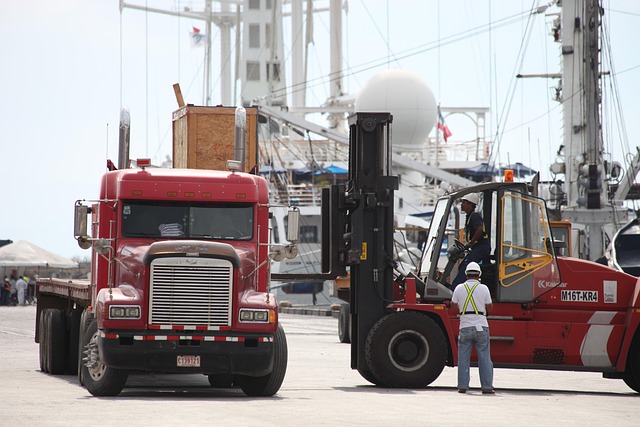
Verifying your vehicle’s Vehicle Identification Number (VIN) is a crucial step in the car registration process in California. This critical task ensures that the vehicle you’re registering matches the one listed on your documents and helps prevent fraud. One effective method for this verification is through the use of a DMV VIN Verifier, which offers both convenience and accuracy. Many individuals opt for mobile vin verification services, allowing them to conduct a vin inspection from the comfort of their homes or even while they’re on the go.
The California Department of Motor Vehicles (DMV) recommends utilizing official tools for this purpose. A DMV VIN Verifier not only ensures that your vehicle’s details align with the state’s records but also helps detect any discrepancies or potential fraud. By inputting your VIN into the verifier, you can gain immediate access to a wealth of information about your car, including its make, model, year, and even historical ownership data. This process is straightforward; most verifiers require only a few simple steps to complete the vin inspection.
For instance, consider a scenario where an individual purchases a used vehicle from out of state. Before registering it in California, they use a mobile VIN verification service to confirm that the car’s details match its historical record. This practice not only saves time but also safeguards against potential issues that could arise from registration errors or fraudulent activities. By leveraging tools like a DMV VIN Verifier and embracing mobile vin inspection methods, Californians can streamline their vehicle registration while maintaining the integrity of the state’s motor vehicle records.
Complete the Registration Application and Pay Fees
To complete the registration process for your vehicle in California, you’ll need to fill out the Registration Application (Form DMV-123) accurately and completely. This form requires detailed information about your car, including its make, model, year, and unique Vehicle Identification Number (VIN). Ensure that the VIN is accurate; it’s crucial for identifying your vehicle uniquely and accessing essential records through the California Department of Motor Vehicles (DMV) VIN verifier.
Accompanying this form is a list of fees, which vary based on your vehicle type and registration period. You can pay these fees online, by mail, or in person at any DMV field office. Online payment methods offer convenience and often include e-signatures for a streamlined experience. If you prefer a more traditional approach, bringing the required documents and fees to a DMV office is another option. Some counties in California also offer mobile VIN inspection and verification services, allowing you to complete these steps from the comfort of your home or workplace.
Before submitting your application, double-check all entered details for accuracy. The DMV provides guidelines to help ensure your application’s validity, but mistakes can occur. Using a mobile vin verifier can assist in confirming your vehicle’s information, ensuring that any errors are caught early in the process. Once your application and fees are approved, you’ll receive your registration documents, allowing you to legally operate your vehicle on California roads.
Receive Your Vehicle Registration and License Plate
Receiving your vehicle registration and license plate is a crucial step after completing the registration process at the California DMV. Once you’ve gathered all necessary documents, including proof of insurance, identification, and payment for fees, it’s time to collect your official paperwork. The DMV will issue a registration certificate, which typically includes a unique Vehicle Identification Number (VIN) that serves as a permanent identifier for your vehicle.
A key component of this process is the mobile VIN verification, ensuring the vehicle’s identity is accurately confirmed. This can be done through various authorized services that offer a convenient and efficient way to inspect the VIN, often conducted by visiting your vehicle at its location. By using these mobile vin verifiers, you avoid the need to physically visit a DMV office, saving time and effort. These verifiers cross-reference the provided VIN with state records, confirming the vehicle’s history and status.
After successful verification, the DMV will assign a set of license plates that match your registration. These plates are designed to display the vehicle’s identification number prominently, making it easily visible for traffic enforcement purposes. Typically, one plate is placed on the rear of the vehicle while another serves as a spare, stored in your possession. It’s essential to ensure these plates are securely fastened and legible to avoid any issues during future interactions with law enforcement or when renewing your registration.
Remember, proper documentation, including both the registration certificate and license plates, is critical for legal operation on California roads. Keep these documents secure, and if there are any discrepancies or issues, promptly reach out to a local DMV office for assistance.
Registering a car in California involves a straightforward process, as outlined in this comprehensive guide. Key takeaways include ensuring you have all required documents, visiting or utilizing online services at the California DMV, verifying the Vehicle Identification Number (VIN) using a DMV VIN Verifier, completing the registration application, and paying associated fees. The final step is receiving your vehicle registration and license plate, marking the successful conclusion of a meticulously navigated process. Moving forward, Californians can confidently proceed with these steps to ensure their vehicles are legally registered, adhering to state regulations and facilitating seamless interactions with the DMV.